
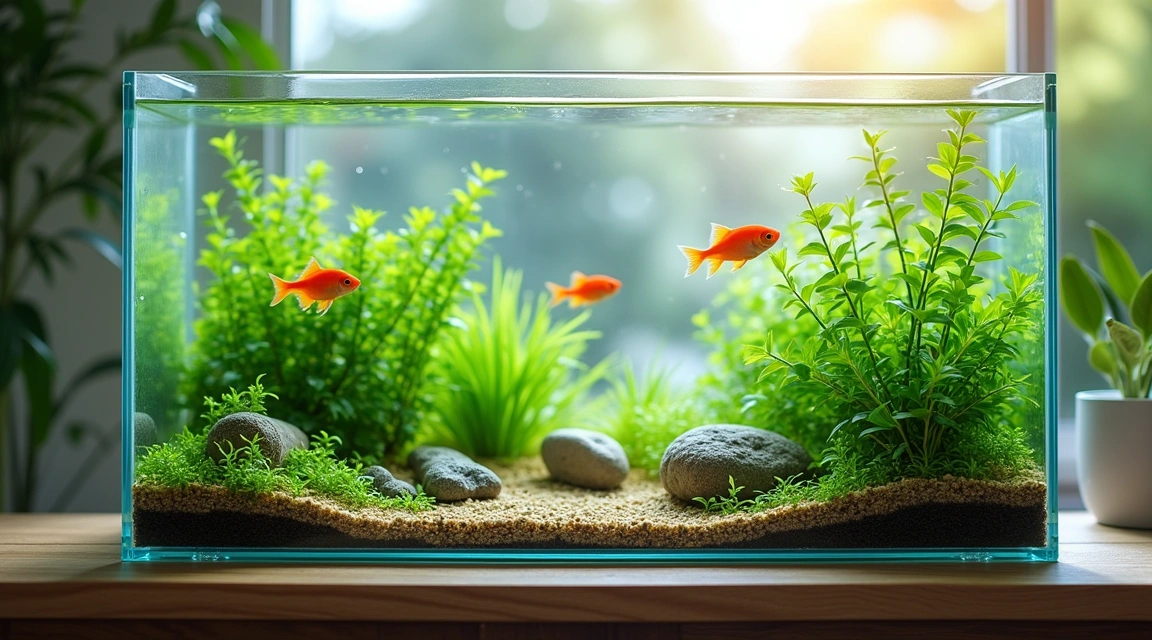
Maintaining proper water quality is the single most important factor in keeping aquarium fish healthy and thriving. Poor water conditions cause more fish deaths than disease, aggression, or inadequate diet combined. Understanding the fundamental parameters—ammonia, nitrite, nitrate, pH, and temperature—allows aquarists to create a stable aquatic environment that supports fish metabolism, immune function, and long-term vitality.
Water quality problems develop gradually in closed systems. Unlike natural waterways where dilution and biological processes continuously refresh the environment, home aquariums accumulate waste products from fish respiration, uneaten food, and decaying organic matter. Without regular monitoring and maintenance, these compounds reach toxic levels that stress fish, weaken their disease resistance, and can cause sudden mortality.
The Nitrogen Cycle: Foundation of Biological Filtration
The nitrogen cycle is the biological process that converts toxic fish waste into less harmful compounds. Fish produce ammonia through their gills and waste. Beneficial bacteria in the filter media and substrate convert ammonia to nitrite, then a second bacterial colony transforms nitrite into nitrate. Both ammonia and nitrite are highly toxic even at low concentrations, while nitrate is tolerable at moderate levels.
New aquariums lack these bacterial colonies, requiring a cycling period of four to eight weeks before fish can safely inhabit the tank. During cycling, ammonia and nitrite levels spike as bacteria populations establish. Many beginners lose fish by stocking too quickly, before the biological filter matures. Fishless cycling using pure ammonia or fish food allows bacteria to colonize without endangering livestock.
Established tanks maintain stable nitrogen cycles through regular partial water changes, typically twenty to thirty percent weekly. These changes export accumulated nitrate and replenish trace minerals. Overfeeding disrupts the cycle by overwhelming bacterial capacity, causing ammonia spikes. Medication can kill beneficial bacteria, temporarily crashing the cycle and requiring careful monitoring during treatment.
Critical Parameters and Safe Ranges
Ammonia should always read zero in established aquariums. Concentrations above 0.25 parts per million cause gill damage and stress. Nitrite must also remain at zero; it interferes with oxygen transport in fish blood, causing brown blood disease. Nitrate is less immediately toxic but should stay below 40 ppm for most species, with sensitive fish requiring under 20 ppm.
pH measures water acidity or alkalinity on a scale from zero to fourteen, with seven being neutral. Most tropical community fish adapt to pH between 6.5 and 7.8. Sudden pH shifts stress fish more than living in non-ideal stable pH. African cichlids prefer alkaline water above 7.5, while South American tetras and discus thrive in acidic conditions below 7.0. Municipal tap water pH varies by region, so testing source water before use prevents surprises.
Temperature stability matters as much as the specific degree reading. Tropical fish generally require 74 to 80 degrees Fahrenheit, goldfish prefer cooler water from 65 to 72 degrees. Daily fluctuations beyond two degrees stress fish immune systems. Reliable heaters with thermostats and separate thermometers ensure accuracy. During water changes, matching new water temperature to tank temperature prevents thermal shock.
Testing Kits and Monitoring Frequency
Liquid reagent test kits provide more accurate readings than test strips, particularly for ammonia and nitrite. Master test kits include ammonia, nitrite, nitrate, pH, and often high-range pH for alkaline tanks. New aquariums require daily testing until ammonia and nitrite remain at zero for two consecutive weeks. Established tanks need weekly testing, with increased frequency if fish show stress, after medication, or following filter maintenance.
Digital meters for pH and TDS (total dissolved solids) offer convenience but require regular calibration with buffer solutions. Inexpensive meters often drift, giving false readings that lead to incorrect corrections. Glass thermometers and digital probe thermometers both work reliably when properly positioned away from heaters and filtration outflows.
Record test results in a log to identify trends before they become emergencies. Gradual nitrate increases signal the need for larger or more frequent water changes. Rising pH in soft-water tanks may indicate mineral buildup from evaporation top-offs. Sudden ammonia spikes point to overfeeding, dead fish, or filter malfunction.
Common Problems and Practical Solutions
Cloudy water often indicates bacterial bloom in new tanks or organic overload in established systems. Reducing feeding and increasing water changes usually resolves cloudiness within a week. Green water results from algae blooms triggered by excess nutrients and light. Limiting light duration to eight hours daily and reducing feeding address the root cause more effectively than chemical clarifiers.
Brown or yellow tinted water comes from tannins released by driftwood. While harmless and even beneficial for some species, tannins lower pH. Pre-soaking wood or using activated carbon removes discoloration. Hard water with high mineral content sometimes requires softening for species demanding acidic conditions. Peat filtration, reverse osmosis water, or commercial pH buffers lower hardness and pH gradually.
Fish gasping at the surface signals low dissolved oxygen. Oxygen levels drop in warm water, overstocked tanks, or when filters fail. Increasing surface agitation with air stones or filter outflows improves gas exchange. Temporary removal of some fish to reduce bioload provides immediate relief while addressing the underlying cause.
Long-Term Maintenance Strategy
Consistent routine maintenance prevents most water quality problems. Weekly partial water changes with dechlorinated water of matching temperature form the foundation. Vacuuming substrate during changes removes trapped debris before it decomposes. Rinsing mechanical filter media monthly in old tank water preserves beneficial bacteria while removing solid waste.
Avoid complete water changes or replacing all filter media simultaneously, as both actions eliminate beneficial bacteria and crash the nitrogen cycle. Gradual replacement of filter cartridges prevents disruption. When upgrading filtration, run new and old filters together for three weeks to transfer bacterial colonies.
Quarantine new fish for three to four weeks before adding them to display tanks. This practice prevents introducing disease and allows observation without stressing established inhabitants. Test quarantine tank water as frequently as the main aquarium, as smaller volumes accumulate toxins faster.
Understanding these water quality basics transforms aquarium keeping from crisis management to proactive care. Stable parameters support vibrant colors, natural behavior, successful breeding, and lifespans that reach or exceed species norms. The investment in quality test kits and regular monitoring pays dividends in healthy fish and fewer emergency interventions.