
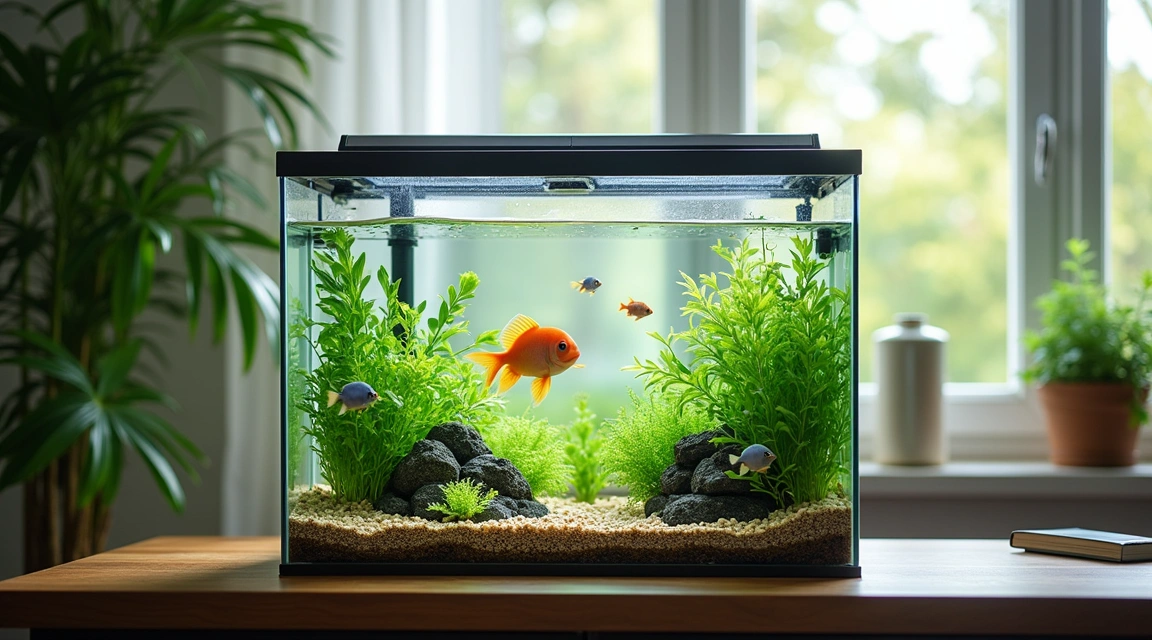
Small aquariums, typically ranging from 5 to 20 gallons, have surged in popularity among urban hobbyists and beginners seeking a manageable entry into fishkeeping. These compact ecosystems require careful fish selection to ensure both inhabitant welfare and long-term success. While mini tanks offer convenience and affordability, choosing species that thrive in limited space—without compromising water quality or behavioral health—remains the cornerstone of responsible small-tank fishkeeping.
The rise of desktop and countertop aquariums has created demand for reliable guidance on stocking decisions. Many newcomers face common pitfalls: overstocking, selecting species that outgrow the tank, or mixing incompatible temperaments. Understanding the biological needs, adult size, and social behavior of freshwater fish transforms a cramped container into a thriving habitat.
Why Tank Size Matters for Fish Health
Small tanks present unique challenges. Water parameters fluctuate more rapidly in limited volumes, meaning ammonia, nitrite, and nitrate levels can spike quickly after feeding or waste accumulation. Fish produce waste continuously, and in a 10-gallon tank, toxins concentrate faster than in larger systems. This makes regular water changes—typically 20 to 30 percent weekly—non-negotiable for small-tank health.
Territorial behavior also intensifies in confined spaces. Fish that tolerate crowding in nature may become aggressive when penned into a few gallons. Selecting peaceful, nano-sized species reduces stress and aggression. Adult size is critical: a fish sold as a two-inch juvenile may reach eight inches within a year, rendering a small tank unsuitable and stunting growth or shortening lifespan.
Filtration and oxygenation require special attention. Small filters must turn over the tank volume multiple times per hour without creating excessive current that exhausts tiny swimmers. Sponge filters or gentle hang-on-back units paired with live plants help stabilize water chemistry and provide natural nitrate export.
Top Freshwater Fish Species for Small Tanks
Selecting the right inhabitants begins with understanding each species’ adult size, temperament, and environmental needs. The following fish consistently perform well in tanks of 10 gallons or smaller when kept in appropriate numbers and conditions.
Betta Fish (Betta splendens): Solitary and colorful, bettas thrive in tanks as small as 5 gallons when heated to 76–82°F and gently filtered. Males must be housed alone to prevent fatal aggression. Bettas appreciate resting spots near the surface, such as broad-leafed plants or floating logs.
Neon Tetras (Paracheirodon innesi): These schooling fish reach only 1.5 inches and display striking blue and red stripes. A group of six or more feels secure and exhibits natural shoaling behavior. Neon tetras prefer soft, slightly acidic water and planted tanks with subdued lighting.
Endler’s Livebearers (Poecilia wingei): Tiny and active, Endler’s males showcase vivid patterns and stay under one inch. Females grow slightly larger. A 10-gallon tank comfortably houses a small colony. They adapt to varied water conditions and breed readily, so plan for population control or single-sex groups.
Celestial Pearl Danios (Danio margaritatus): Also called galaxy rasboras, these peaceful micro-fish reach about one inch. Their blue bodies dotted with pearl-white spots make them stunning in heavily planted nano tanks. Groups of six or more reduce shyness and encourage natural foraging.
Pygmy Corydoras (Corydoras pygmaeus): At just over one inch, pygmy corys are social bottom-dwellers that help clean uneaten food. Keep at least six together on fine sand substrate to protect their delicate barbels. They remain active during the day, unlike larger nocturnal catfish.
Cherry Shrimp (Neocaridina davidi): While not fish, cherry shrimp complement small tanks by consuming algae and detritus. They breed readily and coexist peacefully with small, non-predatory fish. A colony adds movement and color without increasing bioload significantly.
Species to Avoid in Small Tanks
Certain popular freshwater fish grow too large or demand too much swimming space for small aquariums. Common plecos, often sold as algae-eaters for beginner tanks, can exceed 12 inches and produce substantial waste. Goldfish, despite their ubiquity in bowls, require at least 20 gallons per fish and generate high ammonia levels. Fancy goldfish varieties need even more space due to their body shape and slower swimming.
Cichlids such as oscars, Jack Dempseys, and even smaller species like convicts exhibit territorial aggression and grow several inches long. These fish thrive in tanks of 30 gallons or more. Similarly, Chinese algae-eaters turn aggressive with age and harass tankmates in cramped quarters.
Fast swimmers like danios (excluding pygmy and celestial pearl varieties) and rainbow sharks need horizontal swimming room that small tanks cannot provide. Keeping such fish in confined spaces leads to stress, fin damage, and shortened lifespans.
Stocking Guidelines and Practical Tips
The traditional “one inch of fish per gallon” rule offers a rough starting point but oversimplifies bioload. Body mass, waste production, and activity level matter more than length. A single betta produces less waste than six neon tetras, even if total inches are similar. Research each species’ specific needs and account for adult size, not the juveniles at the pet store.
Introduce fish gradually. Cycling the tank—establishing beneficial bacteria colonies that convert ammonia to nitrite, then nitrate—takes three to six weeks. Add one or two fish initially, then wait two weeks before adding more. This allows the biofilter to adjust and prevents toxic spikes.
Live plants such as java fern, anubias, and dwarf hairgrass improve water quality by absorbing nitrates and providing oxygen. They also create hiding spots that reduce stress. Low-light, beginner-friendly plants succeed in small tanks without specialized equipment.
Monitor water parameters weekly using a liquid test kit. Ammonia and nitrite should always read zero; nitrate ideally stays below 20 ppm. Temperature stability is vital—use an adjustable heater for tropical species and keep the tank away from windows and heating vents to avoid fluctuations.
Common Mistakes and How to Avoid Them
Overstocking remains the most frequent error. Crowded tanks suffer from chronic poor water quality, stunted growth, and disease outbreaks. If in doubt, stock fewer fish than the maximum recommendation. Observing behavior helps: constant gasping at the surface, clamped fins, or hiding suggests stress from overcrowding or poor conditions.
Skipping the nitrogen cycle causes “new tank syndrome,” where ammonia poisoning kills fish within days. Patience during the initial cycle prevents losses and establishes a stable environment. Using filter media or gravel from an established tank can seed beneficial bacteria and shorten the cycle.
Mixing incompatible species creates conflict. Research temperament and environmental needs before combining fish. Fin-nippers like some barb species will harass long-finned bettas. Predatory fish view tiny tankmates as food. Peaceful community fish with similar water parameter preferences ensure harmony.
Maintenance and Long-Term Care
Small tanks demand consistent maintenance. Perform partial water changes weekly, replacing 20 to 30 percent with dechlorinated water matched to tank temperature. Vacuum the substrate gently to remove waste without disturbing beneficial bacteria.
Feed sparingly—only what fish consume in two minutes, once or twice daily. Overfeeding pollutes water and encourages algae blooms. High-quality flakes, pellets, or frozen foods provide balanced nutrition. Variety prevents deficiencies and maintains vibrant coloration.
Replace filter media cautiously. Beneficial bacteria colonize sponges and cartridges, so replacing everything at once crashes the cycle. Rinse mechanical media in old tank water during water changes, and replace only when physically deteriorating.
Watch for signs of illness: white spots (ich), fuzzy growths (fungus), or erratic swimming. Quarantine new fish for two weeks before introducing them to the main tank. Early detection and treatment prevent disease spread in the limited volume of small aquariums.
Small freshwater tanks offer rewarding fishkeeping experiences when stocked thoughtfully. Choosing appropriately sized, peaceful species and maintaining stable water conditions transform compact aquariums into thriving ecosystems. With careful planning and regular care, even a 10-gallon tank becomes a vibrant window into aquatic life.