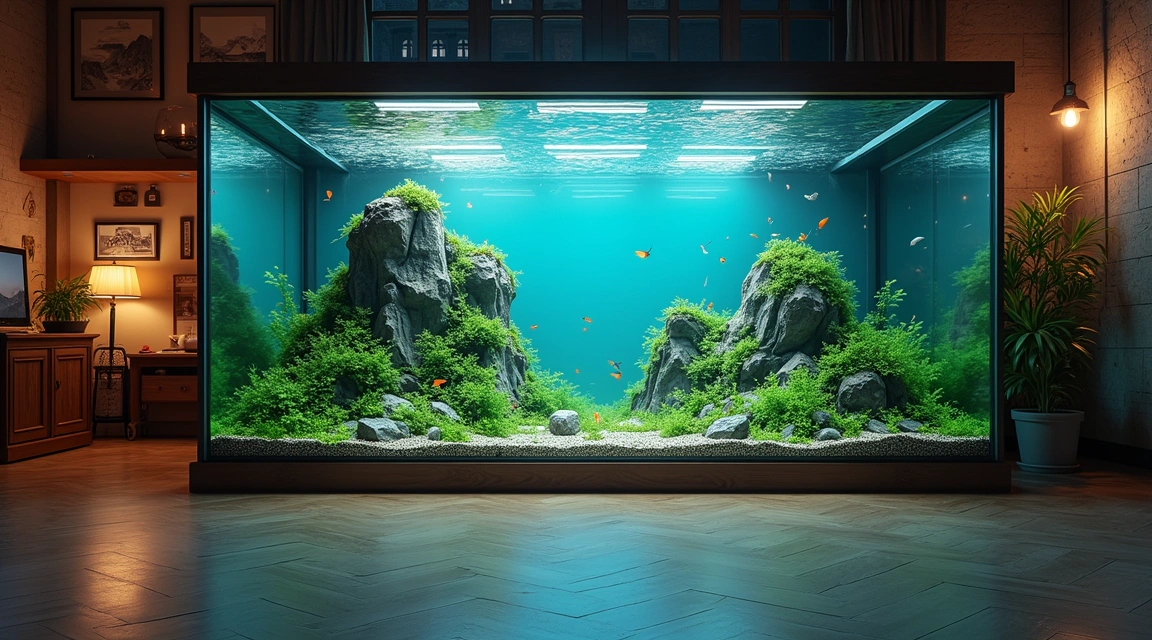
When I first decided to set up a freshwater aquarium three years ago, I thought it would be as simple as filling a tank with water and adding fish. Spoiler alert: I was completely wrong, and my early mistakes taught me some expensive lessons. Today, I’m sharing everything I wish someone had told me before I started, from choosing the right equipment to understanding the nitrogen cycle that keeps your fish healthy.
Setting up a freshwater aquarium is one of the most rewarding hobbies I’ve ever taken on. There’s something incredibly calming about watching fish glide through a carefully planted underwater landscape you’ve created. But it requires patience, planning, and a willingness to learn. Let me walk you through the real-world process, complete with the bumps I hit along the way.
Essential Equipment and What Actually Matters
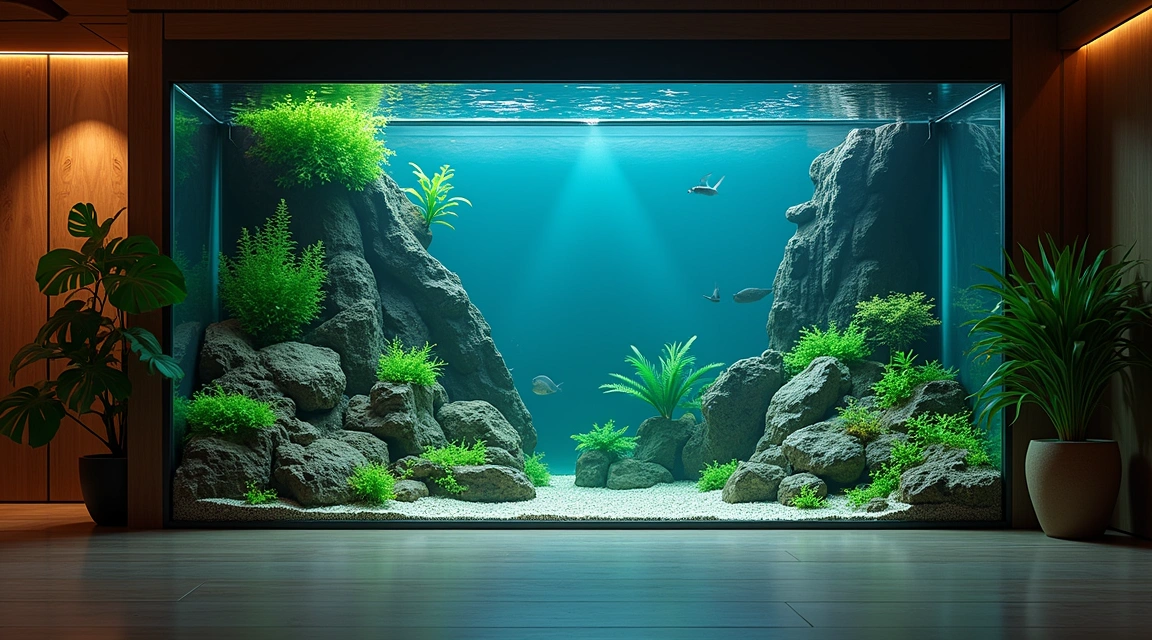
The aquarium industry will try to sell you everything under the sun, but here’s what you genuinely need for a successful freshwater setup:
The tank itself is your foundation. I started with a 20-gallon tank, which I now consider the sweet spot for beginners. Anything smaller becomes chemically unstable too quickly (those cute 5-gallon kits are actually harder to maintain), while larger tanks get expensive and intimidating fast. A 20-gallon gives you room for error and a decent variety of fish.
Filtration is non-negotiable. I use a hang-on-back (HOB) filter rated for at least 1.5 times my tank volume. This over-filtering creates better water quality and means I’m not constantly cleaning. My Aquaclear 50 has been running for two years without issues. Canister filters are quieter but cost more and are harder to maintain for beginners.
A heater keeps tropical fish comfortable. Most freshwater community fish thrive at 76-78°F. I learned the hard way that cheap heaters fail—sometimes staying on and cooking your fish, sometimes not heating at all. Invest in a reliable brand with a built-in thermostat. I use an Eheim Jager and sleep better at night.
Substrate and decorations serve both aesthetic and biological purposes. I chose smooth gravel over sand (easier to vacuum) and added driftwood and live plants. The plants aren’t just pretty—they absorb nitrates and provide hiding spots that reduce fish stress. Java fern and anubias are nearly indestructible beginner plants.
Water testing kit—the API Master Test Kit specifically. Those test strips are convenient but inaccurate. You need to monitor ammonia, nitrite, nitrate, and pH, especially during the critical first month. This $25 kit has saved me from countless disasters.
The Cycling Process Nobody Warns You About
Here’s where most beginners (including past me) crash and burn: you cannot add fish immediately. Your tank needs to develop beneficial bacteria that convert toxic ammonia (from fish waste) into less harmful substances. This “cycling” process takes 4-6 weeks, and there’s no rushing it.
I used the fishless cycling method, adding pure ammonia daily and testing water parameters until the bacteria colonies established themselves. You’ll know cycling is complete when you can add ammonia and it converts to nitrite, then nitrate, within 24 hours with zero ammonia and zero nitrite remaining.
My first attempt, I got impatient and added fish after two weeks. Three neon tetras died within days, and I felt terrible. The water was essentially poison. When I properly cycled my second tank, every fish I added thrived. The waiting period is agonizing but absolutely essential.
Some people cycle with hardy fish like danios, but I find this ethically questionable and riskier. Bottled bacteria products like Seachem Stability can speed things up by a week or so—I use them now and they do help, but they’re not magic solutions that eliminate cycling time.
The Pros of Having a Freshwater Aquarium
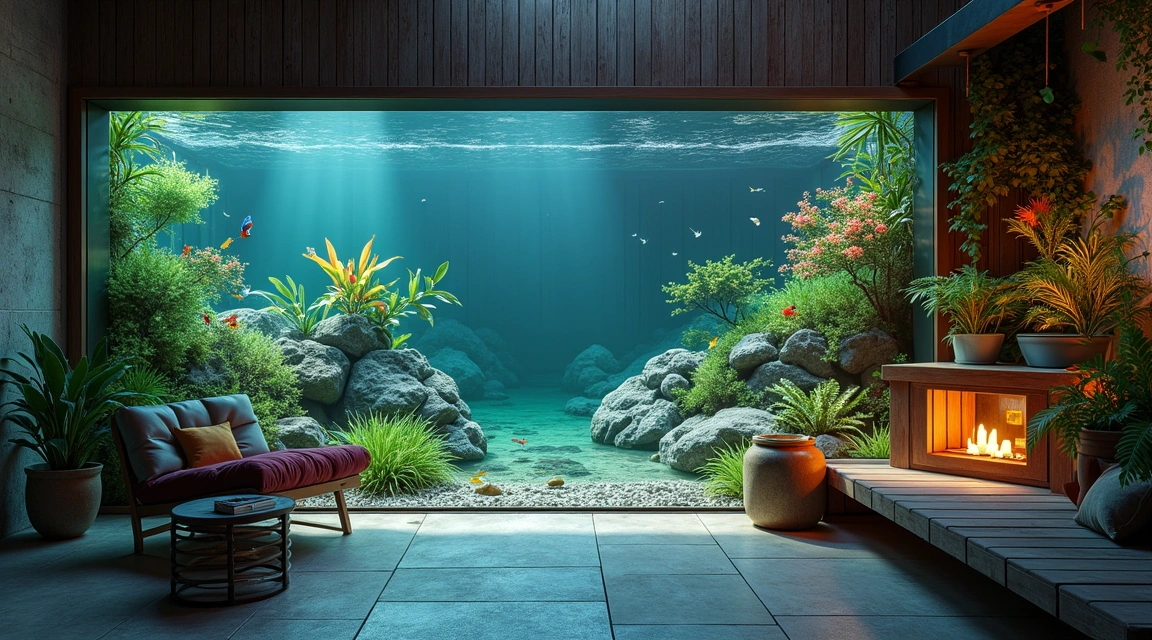
Stress relief is real. Multiple studies back this up, but I didn’t need research to tell me—watching my tank for 20 minutes after a rough workday genuinely lowers my blood pressure. It’s become my meditation practice.
Customization options are endless. Whether you want a minimalist Japanese-inspired layout or a lush jungle with schools of colorful fish, freshwater setups accommodate virtually any vision. I’ve completely rescaped my tank twice, and planning new layouts is half the fun.
Lower costs than saltwater. While setup isn’t cheap, freshwater systems don’t require protein skimmers, expensive lighting for corals, or constant expensive supplements. My monthly cost is maybe $15 for food, water conditioner, and occasional filter media replacement.
Educational for families. My nephew has learned about ecosystems, responsibility, and patience through helping me maintain the tank. It’s a living science lesson that’s way more engaging than textbooks.
The Cons and Challenges You’ll Face
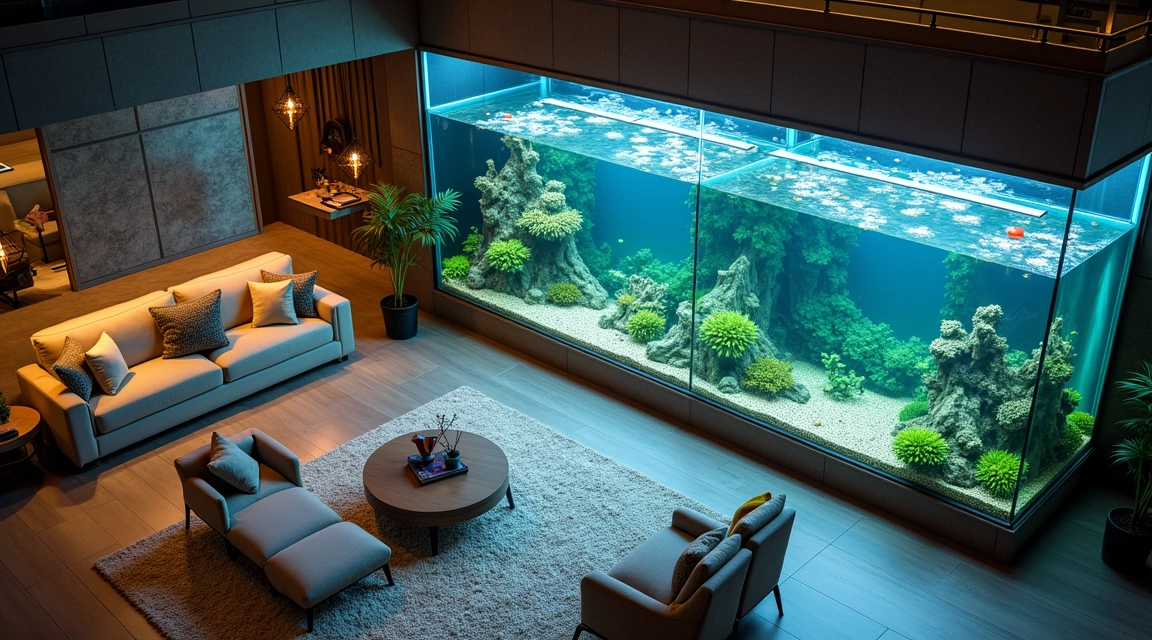
The startup cost is significant. Even budget-conscious, you’re looking at $200-400 for a proper setup. I see people trying to cut corners with undersized filters or no heater, and they inevitably spend more money replacing dead fish and fixing problems.
Ongoing time commitment is real. I spend 30 minutes weekly on water changes (25% weekly is my routine), plus time testing water, cleaning algae, and trimming plants. It’s not overwhelming, but it’s not zero-maintenance either. When I travel, I need someone fish-savvy to help, which has complicated a few vacation plans.
Fish death happens, even when you do everything right. I’ve lost fish to disease, old age, and mysterious causes. Each one still bothers me. You’re taking on living creatures, which means accepting that responsibility and the occasional heartbreak.
Information overload is paralyzing. Online forums contradict each other constantly. One expert says daily water changes, another says monthly. Someone insists you need CO2 injection for plants, while another grows jungles without it. Learning to filter advice and find what works for your specific situation takes time.
Who This Hobby Is Really For
Freshwater aquariums suit patient people who enjoy gradual projects and ongoing care routines. If you want instant gratification, this isn’t it. If you appreciate watching slow progress and maintaining living ecosystems, it’s perfect.
It’s ideal for people seeking a calming, screen-free hobby. I find myself sitting by my tank instead of scrolling through my phone, which has improved my mental health noticeably.
Families with children old enough to understand “look but don’t tap the glass” (maybe 5+) can make this educational. Younger kids and aquariums can be stressful—I’ve seen toddlers terrify fish by banging on tanks.
It’s less suitable for frequent travelers unless you have a reliable fish-sitter, or for people in temporary living situations. Moving an established aquarium is possible but challenging—I’ve done it once and wouldn’t want to regularly.
Frequently Asked Questions
How many fish can I actually keep in my tank?
The old “one inch of fish per gallon” rule is oversimplified and outdated. It depends on the species’ adult size, bioload (how much waste they produce), swimming habits, and filtration strength. I keep eight small fish (neon tetras, cory catfish) in my 20-gallon, which is moderately stocked. Research each species specifically and err on the side of fewer fish—overstocking causes most beginner problems. I use AqAdvisor.com to check my stocking plans before buying fish.
Do I really need to do weekly water changes?
In my experience, yes. I’ve tried extending to every two weeks, and my nitrate levels climbed uncomfortably high, and algae exploded. Weekly 25% water changes keep parameters stable and remove accumulated waste that filters can’t handle. It’s 30 minutes once a week—I do it every Sunday morning and it’s become a pleasant routine. Some heavily planted tanks with low stocking can get away with less frequent changes, but that’s advanced territory.
What fish should I start with as a complete beginner?
After cycling, I recommend starting with a small school of hardy, peaceful fish. My top picks: zebra danios (active and nearly indestructible), cherry barbs (colorful and forgiving), or cory catfish (adorable bottom-dwellers that clean up leftover food). Add them gradually—maybe 4-6 fish initially, then wait two weeks and add more if water parameters stay stable. Avoid goldfish in small tanks (they need 20+ gallons each and produce massive waste), bettas with other aggressive fish, or anything labeled “expert only.” Start simple and work up to fancier species.
Setting up a freshwater aquarium transformed my living space and daily routine in ways I didn’t expect. Yes, I made mistakes and occasionally still do. But watching a healthy, balanced ecosystem thrive under your care is genuinely special. Give yourself permission to learn slowly, ask questions, and enjoy the process rather than rushing to some Pinterest-perfect endpoint.