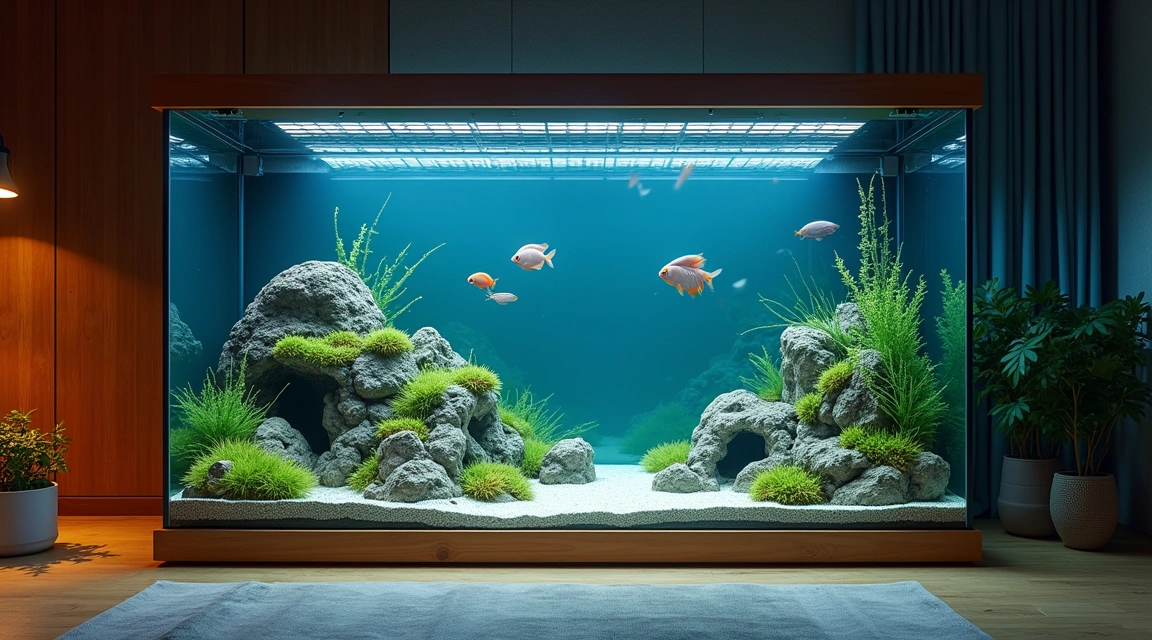
Guppies, bettas, and neon tetras top the list of beginner-friendly aquarium fish in 2025, according to a comprehensive survey of experienced aquarists and pet retailers across the United States and United Kingdom. These hardy species tolerate common beginner mistakes like minor water quality fluctuations and irregular feeding schedules, making them ideal first pets for families and newcomers to the hobby.
Why These Species Dominate Beginner Tank Recommendations
The aquarium hobby has seen a 23% increase in first-time fish keepers since 2022, driven largely by urban dwellers seeking low-maintenance pets. Industry experts point to specific traits that separate beginner-suitable fish from more demanding species: adaptability to varying water parameters, peaceful temperaments, and visible activity levels that reward observation.
“The best beginner fish aren’t necessarily the easiest to keep—they’re the ones that give new hobbyists time to learn without catastrophic consequences,” explains Dr. Sarah Chen, aquatic veterinarian and author of The Modern Aquarium Guide. “Species like platies and mollies can survive in non-ideal conditions while owners develop their fishkeeping skills.”
Temperature tolerance matters significantly. While many tropical species require precise heating between 76-80°F, beginner fish typically handle a 5-degree range without stress. White cloud mountain minnows, for instance, thrive in unheated tanks between 64-72°F, eliminating equipment concerns for apartment dwellers.
Top Five Species for Your First Tank
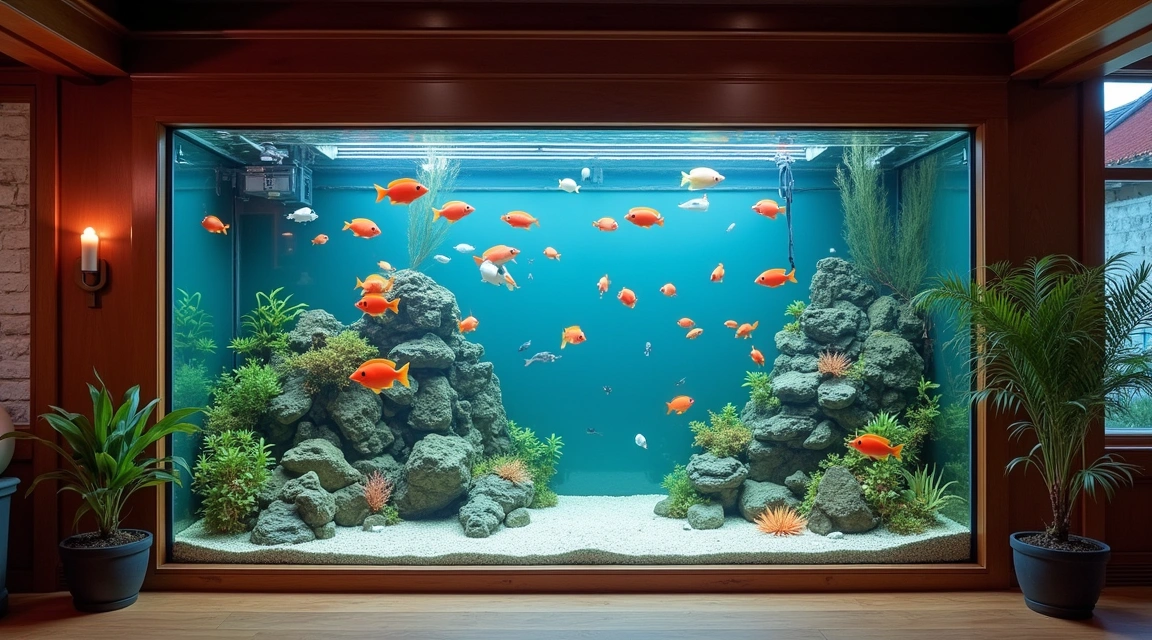
Betta Fish (Siamese Fighting Fish) remain popular despite requiring solitary housing. Males display vibrant reds, blues, and purples, adapting well to small 5-gallon tanks. Their labyrinth organ allows them to breathe surface air, making them forgiving of lower oxygen levels that might stress other species.
Guppies reproduce readily—sometimes too readily. These colorful livebearers accept flake food immediately and tolerate pH ranges from 6.8 to 7.8. Expect females to deliver 20-40 fry monthly, so plan for population management or separate-sex tanks.
Neon Tetras offer shimmering blue and red stripes in peaceful schools of six or more. They require slightly acidic water (pH 6.0-7.0) but forgive temporary swings. At just 1.5 inches adult length, a school fits comfortably in a 10-gallon setup.
Zebra Danios rank as the hardiest beginner option, surviving temperatures from 64-77°F and pH levels between 6.5-8.0. Their constant motion and bold horizontal stripes create visual interest even in smaller groups of four to five fish.
Corydoras Catfish fulfill the bottom-dweller niche, sifting substrate for leftover food. Bronze and peppered varieties prove most forgiving, tolerating varied water conditions while adding functional cleanup to community tanks.
Critical Mistakes Beginners Make
Overstocking tanks causes 60% of first-year fish losses, according to 2024 data from the American Pet Products Association. The “one inch of fish per gallon” rule oversimplifies—active swimmers like danios need horizontal swimming space regardless of their small size.
Cycling new tanks before adding fish remains the most skipped step. Beneficial bacteria colonies require 4-6 weeks to establish in filter media and substrate. Fishless cycling using pure ammonia or commercial products prevents the toxic ammonia spikes that kill fish in brand-new setups.
Overfeeding ranks second in beginner errors. Most tropical fish need only what they consume in 2-3 minutes, once or twice daily. Uneaten food decomposes, spiking ammonia and nitrite levels that stress even hardy species.
Equipment Essentials Without Overspending
A functional beginner setup requires less than most pet stores suggest. A 20-gallon tank ($30-50), hang-on-back filter ($25-40), and basic heater ($15-25) provide adequate housing for most recommended species. LED lighting has dropped to $20-35 for full-spectrum fixtures, eliminating the heat and cost issues of older fluorescent systems.
Water test kits—specifically for ammonia, nitrite, and nitrate—cost $15-30 and prevent more problems than any other investment. Liquid test kits outperform strip tests in accuracy despite requiring slightly more effort.
The Realistic Time Commitment
Successful beginners spend 15-20 minutes weekly on tank maintenance: partial water changes (25-30% of tank volume), filter media rinsing in tank water, and algae scraping. Monthly tasks add another 20 minutes for equipment checks and plant trimming if live plants are included.
Daily feeding and observation require 5 minutes—time well spent, as behavioral changes often signal water quality issues or illness before test kits confirm problems.
The aquarium hobby rewards patience over urgency. Start with one recommended species in a properly cycled tank, master basic maintenance, then expand your collection as confidence grows.