
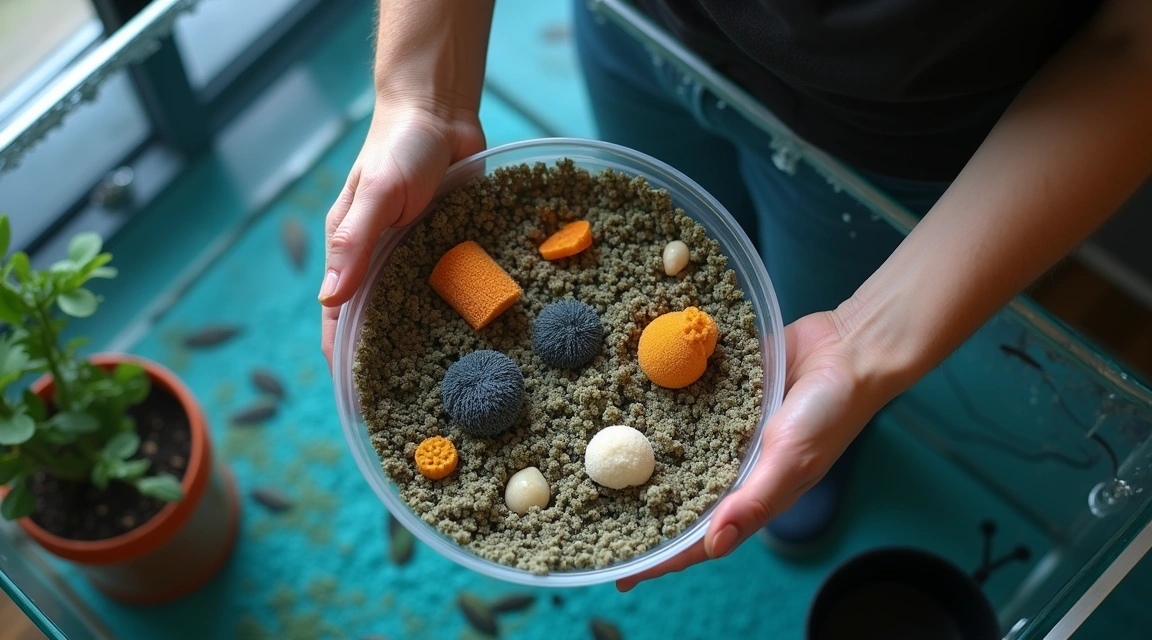
Setting up a fish tank involves more than just picking out a pretty aquarium and adding water. The total cost can vary widely depending on tank size, equipment quality, livestock choices, and ongoing maintenance needs. Understanding the key cost factors and planning ahead will help you build a healthy aquatic environment without unexpected expenses. This guide breaks down the major cost components and provides a practical checklist for beginners planning their first setup.
Before you purchase anything, take time to map out your budget across initial equipment, livestock, decorations, and recurring costs. A clear plan prevents impulse buying and ensures you invest in the right items from the start. Many new aquarists underestimate ongoing expenses or skip essential equipment, leading to problems down the road.
Understanding Tank Size and Initial Equipment Costs
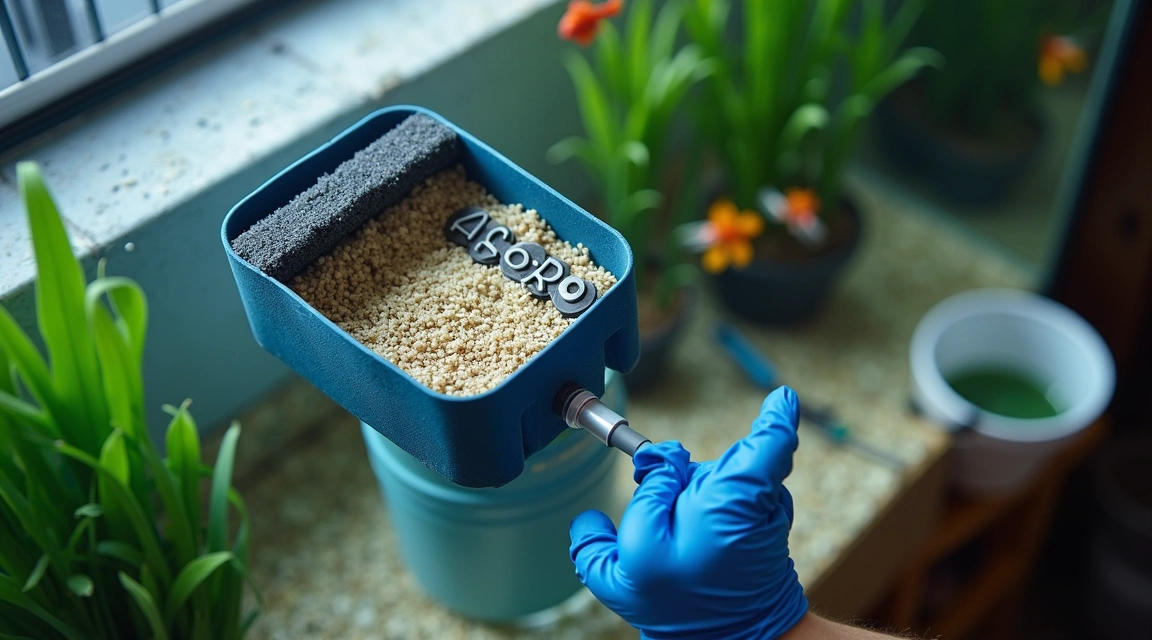
The aquarium itself forms the foundation of your setup. Tank prices depend on size, material, and brand. Small desktop tanks may cost less upfront, but larger tanks often prove more stable and forgiving for beginners because water chemistry changes more slowly in greater volumes.
Step 1: Choose your tank size based on available space and the fish species you want to keep. Research the adult size and schooling needs of your planned fish before deciding on tank volume. Caution: Avoid buying a tank that is too small for your chosen species, as cramped conditions lead to stress, disease, and poor water quality.
Step 2: Select a sturdy stand or surface that can support the total weight of the filled tank. Water is heavy, and a full aquarium weighs significantly more than the empty glass. Caution: Never place a tank on furniture not designed for aquarium use, as structural failure can cause catastrophic flooding and injury.
Step 3: Budget for a filtration system appropriate to your tank size and livestock load. Filters remove waste, support beneficial bacteria, and keep water clear. Options include hang-on-back filters, canister filters, sponge filters, and internal filters. Caution: Undersized or low-quality filters may fail to handle the biological load, leading to ammonia spikes and fish loss.
Step 4: Add a heater if you plan to keep tropical fish. Most freshwater community fish thrive in stable temperatures, and heaters prevent dangerous temperature swings. Caution: Always use a heater with a built-in thermostat and check it regularly to avoid overheating or underheating your tank.
Step 5: Include lighting in your budget. Standard aquarium lights support plant growth and enhance fish colors. LED fixtures are energy-efficient and long-lasting. Caution: Too much light can trigger algae blooms, while too little may harm live plants if you plan to include them.
Step 6: Purchase essential accessories such as a thermometer, water conditioner, test kits for ammonia, nitrite, nitrate, and pH, a gravel vacuum, a net, and a bucket dedicated to aquarium use only. Caution: Never use soap or household cleaners on aquarium equipment, as residue is toxic to fish.
For those new to aquarium keeping, visiting the Fish Tank Setup Cost section of our site can provide additional budgeting tips and equipment comparisons.
Substrate, Decor, and Livestock Expenses
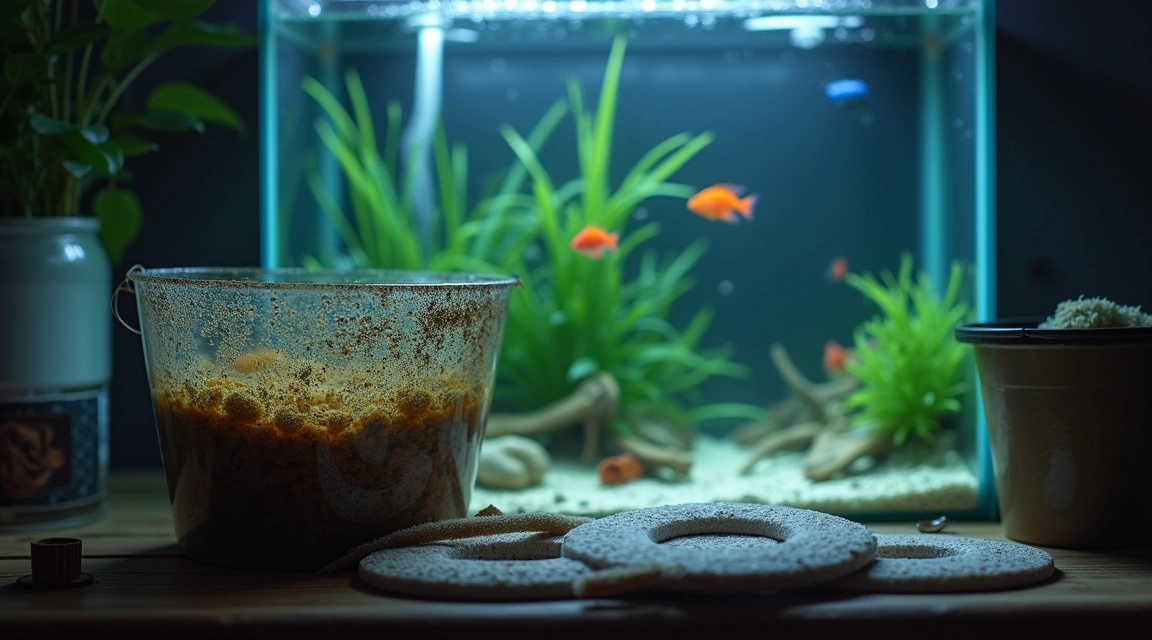
Once you have the basic equipment, you’ll need to create a suitable environment inside the tank. Substrate, decorations, and plants contribute to the overall aesthetic and provide hiding spots and territory markers for fish.
Substrate options include gravel, sand, and specialty planted-tank substrates. Gravel is affordable and easy to clean, while sand offers a natural look and suits bottom-dwelling fish. Planted substrates cost more but support healthy root growth for live plants.
Decorations such as rocks, driftwood, caves, and artificial plants add visual interest and shelter. Choose materials that are aquarium-safe and won’t leach harmful substances. Live plants improve water quality by absorbing nitrates and producing oxygen, but they require appropriate lighting and sometimes fertilizers or CO2 supplementation.
Livestock costs vary widely. Common community fish such as tetras, guppies, and corydoras are generally inexpensive, while rare or specialty fish command higher prices. Always research compatibility, adult size, and care requirements before purchasing. Buying healthy fish from reputable sources reduces the risk of introducing disease to your tank.
Caution: Quarantine new fish in a separate tank for at least two weeks before adding them to your main display to prevent disease outbreaks.
Ongoing Maintenance and Consumable Costs
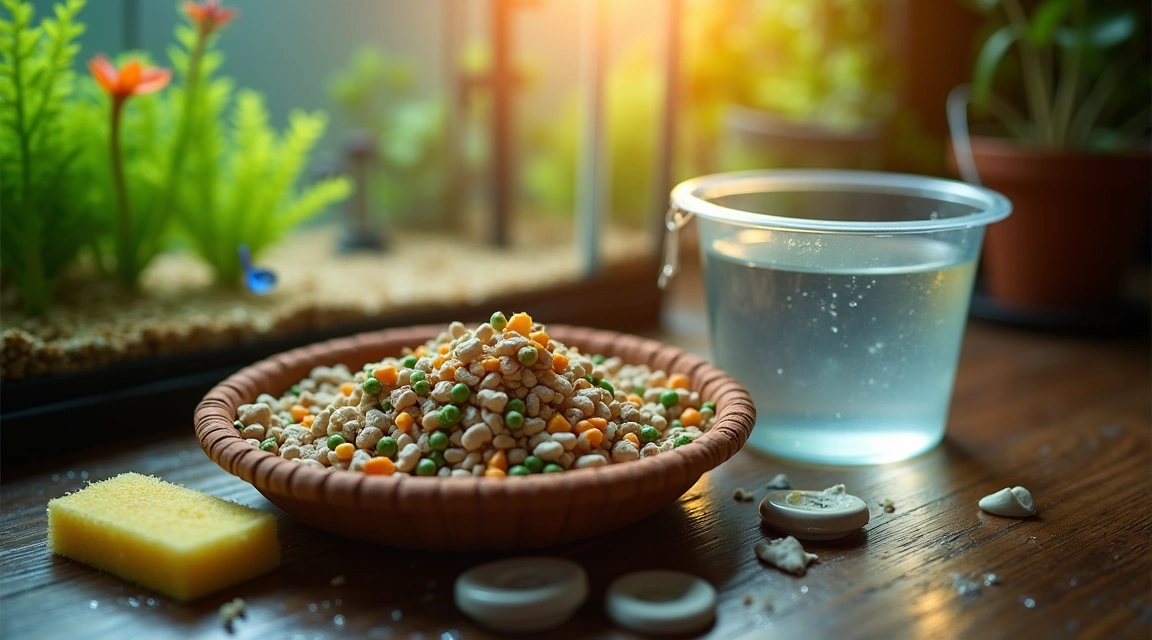
Initial setup expenses are just one part of the total cost of fishkeeping. Ongoing maintenance includes water changes, filter media replacement, electricity for lights and heaters, fish food, water conditioner, and occasional medication or supplements.
Plan to perform partial water changes weekly or biweekly, depending on tank size and stocking level. Water conditioner neutralizes chlorine and chloramine in tap water, making it safe for fish. Test kits help you monitor water quality and catch problems early.
Filter media such as sponges, cartridges, or activated carbon need regular replacement or cleaning. Some media types are reusable, while others are single-use. Read the manufacturer’s instructions and budget for replacements as needed.
Fish food is a recurring cost. High-quality diets promote health and vibrant colors. Avoid overfeeding, as uneaten food pollutes the water and contributes to algae growth. Feeding small amounts once or twice daily is usually sufficient.
Electricity costs for running filters, heaters, and lights add up over time. Energy-efficient equipment reduces long-term expenses. Keep lights on a consistent schedule using a timer to provide stable day-night cycles for fish and plants.
Caution: Never skip regular maintenance to save money; neglecting water changes and testing can lead to sudden water quality crashes and fish loss, which costs more to fix than routine upkeep.
Common Mistakes That Increase Costs
Many beginners make avoidable errors that lead to higher expenses and frustration. Understanding these pitfalls helps you plan more effectively.
One frequent mistake is rushing the setup. Establishing a healthy nitrogen cycle takes time, typically several weeks. Adding fish too soon results in toxic ammonia and nitrite spikes, causing stress, disease, and death. Cycling the tank properly before adding livestock saves money and lives.
Another error is overstocking. Cramming too many fish into a tank increases waste production, strains the filter, and leads to aggression and poor health. Follow stocking guidelines based on adult fish size and bioload, not the small juveniles you see at the store.
Skipping essential equipment to cut costs often backfires. A cheap or inadequate filter, heater, or test kit can fail at critical moments, leading to emergency replacements and fish loss. Invest in reliable equipment from the start.
Impulse buying fish without research is costly. Fish with incompatible water parameters, temperaments, or sizes require separate tanks or rehoming. Plan your stocking list carefully and stick to it.
Finally, neglecting preventive care increases long-term costs. Regular water changes, proper feeding, and consistent monitoring prevent disease outbreaks that require expensive medications and replacement fish.
Planning Checklist for Your Fish Tank Setup
Use this checklist to organize your planning and ensure you account for all major cost factors:
- Decide on tank size and location in your home
- Choose a stand or verify existing furniture can support the weight
- Select a filter system appropriate for tank volume and livestock
- Purchase a heater if keeping tropical species
- Pick lighting suitable for your plants and display goals
- Buy substrate, decorations, and any live plants
- Acquire essential accessories: thermometer, test kits, water conditioner, net, gravel vacuum, bucket
- Research and list compatible fish species
- Plan your stocking order and quarantine procedures
- Budget for ongoing costs: food, water conditioner, filter media, electricity
- Set aside an emergency fund for unexpected equipment failure or illness
- Cycle the tank completely before adding fish
This checklist ensures you cover both one-time purchases and recurring expenses, reducing the chance of budget surprises.
Final Thoughts on Budgeting for Your Aquarium
Setting up a fish tank requires thoughtful planning and realistic budgeting. By understanding the major cost categories—tank and equipment, substrate and decor, livestock, and ongoing maintenance—you can build a setup that fits your budget and provides a healthy environment for your fish.
Take your time during the planning phase. Research equipment reviews, ask for advice in aquarium forums, and compare prices from multiple retailers. Quality equipment lasts longer and performs better, saving money over time.
Remember that fishkeeping is a long-term commitment. Ongoing maintenance costs continue as long as you keep the tank running. Factor these expenses into your decision before starting your aquarium journey.
With careful planning, patience during the cycling process, and consistent maintenance, you can enjoy a thriving aquarium without breaking the bank. Start small if budget is a concern, and expand your setup gradually as you gain experience and confidence.