
Starting a freshwater aquarium can be one of the most rewarding hobbies, but many beginners underestimate the importance of regular maintenance. A beautiful, thriving tank doesn’t happen by accident—it requires consistent care and attention to keep fish healthy and water conditions stable. Understanding what tasks need to be performed daily, weekly, and monthly helps new aquarists avoid common pitfalls such as cloudy water, algae blooms, and stressed fish. This guide provides a practical maintenance schedule designed specifically for those new to the aquarium hobby, breaking down essential tasks into manageable routines that fit into everyday life.
Establishing a maintenance routine from the start prevents small issues from escalating into major problems. Fish waste, uneaten food, and decaying plant matter all contribute to the buildup of harmful compounds such as ammonia and nitrite. Without regular intervention, these toxins can reach levels that endanger your fish. A structured schedule ensures that water quality remains stable, equipment functions properly, and your aquatic environment stays balanced. For anyone exploring Aquarium & Fish Care, mastering these fundamental maintenance tasks is the foundation of long-term success.
Daily Maintenance Tasks
Daily care doesn’t require much time, but consistency is essential. Each day, observe your fish closely for any signs of illness or unusual behavior. Look for changes in swimming patterns, loss of appetite, torn fins, or discoloration. Early detection of health issues often makes the difference between a quick recovery and a serious outbreak. Check that all fish are accounted for, as missing fish can decompose quickly and pollute the water.
Feeding should be done carefully to avoid overfeeding, which is one of the most common mistakes among beginners. Offer only what your fish can consume within a few minutes, once or twice daily depending on the species. Uneaten food sinks to the bottom and decomposes, contributing to ammonia spikes and encouraging algae growth. If you notice leftover food accumulating, reduce portion sizes immediately.
Verify that all equipment is operating correctly. Listen to the filter to ensure it’s running smoothly without unusual noises. Check the heater to confirm the water temperature remains within the appropriate range for your fish species. Inspect the air pump and any decorative bubblers to ensure adequate oxygenation. A quick visual scan of the tank can also reveal issues such as cloudy water, dead plant leaves, or equipment malfunctions before they become serious problems.
Weekly Maintenance Routine
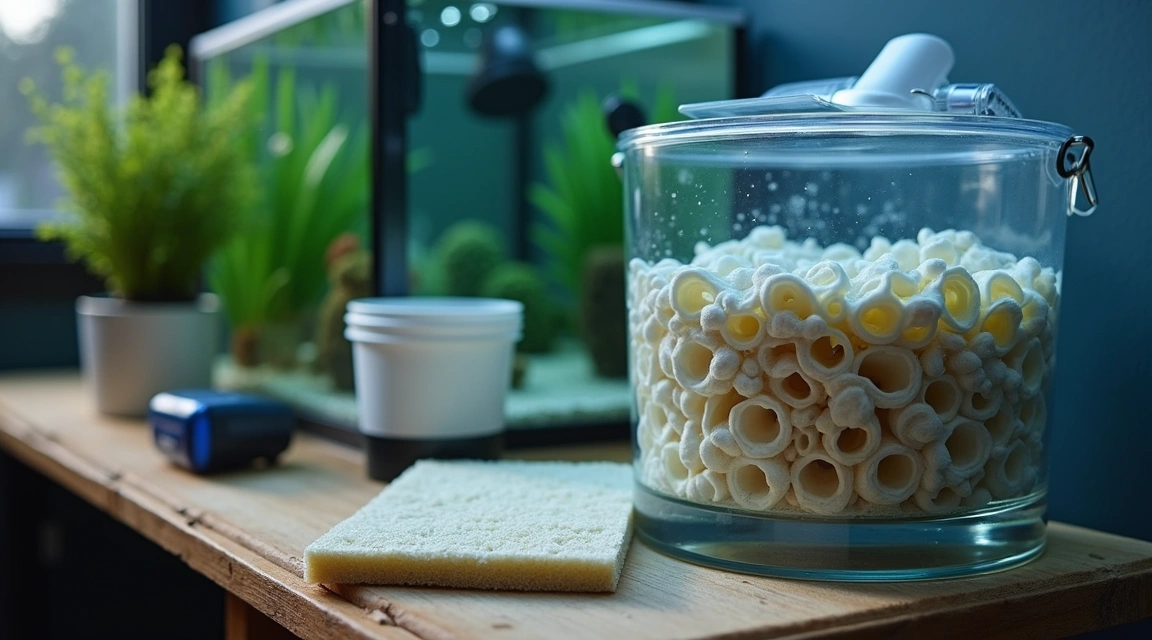
Weekly tasks are more involved but critical for maintaining water quality. The most important weekly activity is a partial water change. Most aquariums benefit from changing approximately 10 to 25 percent of the water each week, though the exact amount can vary depending on tank size, stocking density, and filtration capacity. Use a gravel vacuum to siphon out water while simultaneously removing debris and waste from the substrate. This process helps lower nitrate levels and refreshes minerals that fish and plants need.
When refilling the tank, treat tap water with a dechlorinator to remove chlorine and chloramines that can harm fish and beneficial bacteria. Match the temperature of the new water to the existing tank water to avoid shocking your fish with sudden temperature swings. Add the fresh water slowly to minimize disturbance to the aquarium’s inhabitants.
Test your water parameters weekly, especially during the first few months of a new tank. Use a liquid test kit to measure ammonia, nitrite, nitrate, and pH levels. In a well-cycled aquarium, ammonia and nitrite should read zero, while nitrate levels should remain below levels that stress your particular species. Keeping a log of test results helps you identify trends and catch problems early. If readings are abnormal, investigate potential causes such as overfeeding, insufficient filtration, or overstocking.
Inspect and clean the aquarium glass or acrylic to remove algae buildup. An algae scraper or magnetic cleaner makes this task easier and keeps viewing panels clear. Check plant health if you maintain live plants, trimming away any dead or dying leaves that could decay and pollute the water. Wipe down the exterior of the tank and equipment to keep everything looking tidy and remove any mineral deposits or water stains.
Monthly and Periodic Maintenance
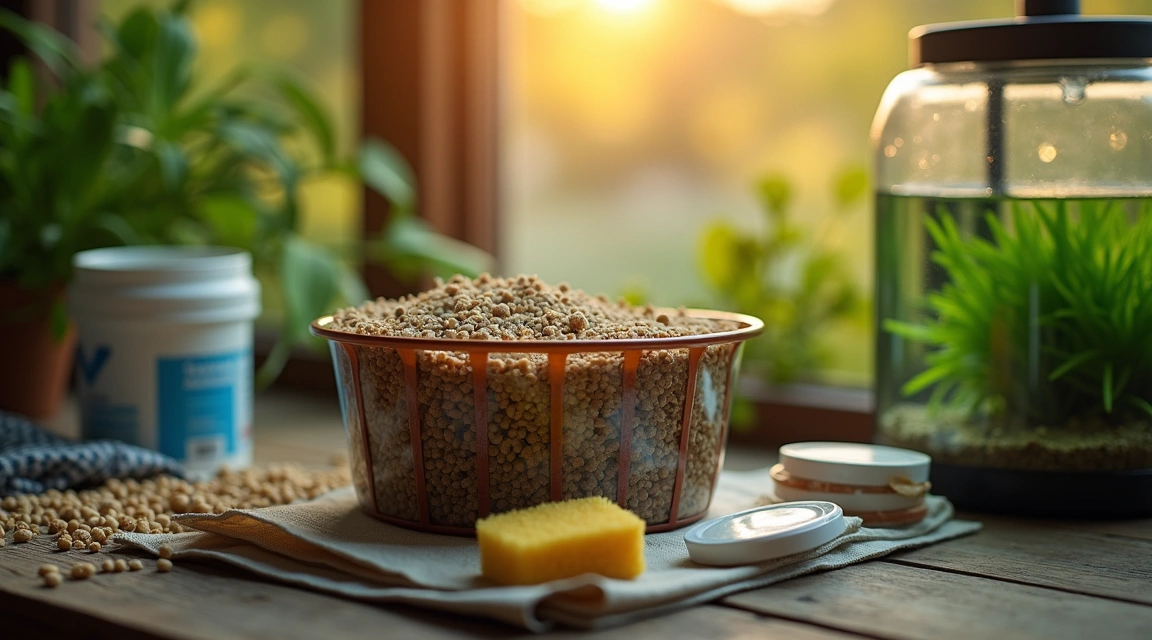
Monthly maintenance involves deeper cleaning and equipment inspection. Rinse or replace filter media according to the manufacturer’s recommendations, but avoid replacing all media at once. Beneficial bacteria colonize filter media and play a crucial role in breaking down ammonia and nitrite. Replacing everything simultaneously can disrupt the biological filtration and cause a harmful spike in toxins. Instead, rinse mechanical filter pads in old tank water to remove debris while preserving bacteria, and replace only one type of media at a time if needed.
Clean the impeller and intake tubes of your filter to ensure optimal flow. Buildup of algae and debris can restrict water movement and reduce filtration efficiency. Disconnect the filter, disassemble the impeller housing, and use a small brush or pipe cleaner to remove any accumulated material. Reassemble carefully and ensure all seals are intact to prevent leaks.
Inspect tubing, air stones, and check valves for wear or clogs. Replace air stones if they become clogged and no longer produce fine bubbles. Check the condition of heater suction cups and replace them if they show signs of deterioration, as a falling heater can shatter and create a dangerous situation.
Perform a more thorough substrate cleaning once a month by targeting areas that may have been missed during weekly vacuuming. Move decorations carefully to access hidden pockets of debris, but be mindful not to disturb beneficial bacteria colonies that establish on surfaces throughout the tank. Trim and prune live plants more extensively if needed, removing excessive growth that blocks light or restricts water flow.
Every few months, consider testing additional parameters such as general hardness (GH) and carbonate hardness (KH) to ensure your water chemistry remains suitable for your fish species. Some fish thrive in soft water, while others require harder water. Understanding and maintaining appropriate hardness levels contributes to long-term health and vibrant coloration.
Maintenance Checklist Table
| Frequency | Task | Key Points |
|---|---|---|
| Daily | Observe fish behavior | Check for signs of illness, count all fish, note any unusual activity |
| Daily | Feed appropriately | Offer small portions, remove uneaten food, adjust amounts as needed |
| Daily | Check equipment | Verify filter, heater, and air pump are functioning correctly |
| Weekly | Partial water change | Siphon and replace a portion of water, vacuum substrate, match temperature |
| Weekly | Test water parameters | Measure ammonia, nitrite, nitrate, and pH; record results |
| Weekly | Clean glass | Remove algae from viewing panels using scraper or magnetic cleaner |
| Weekly | Inspect plants | Trim dead leaves, remove debris, check for signs of nutrient deficiency |
| Monthly | Filter maintenance | Rinse or replace media carefully to preserve beneficial bacteria |
| Monthly | Clean filter impeller | Remove buildup from impeller and intake tubes to maintain flow |
| Monthly | Inspect equipment | Check tubing, air stones, heater suction cups, replace worn parts |
| Quarterly | Test additional parameters | Check GH and KH if relevant to your fish species |
| Quarterly | Deep clean decorations | Remove and scrub ornaments, plants, or rocks as needed without harsh chemicals |
Building Good Habits and Avoiding Common Mistakes
Consistency is more important than perfection. Beginners often start with enthusiasm but lose momentum when maintenance feels overwhelming. Breaking tasks into small, manageable routines makes it easier to stay on track. Set reminders on your phone or keep a calendar near the aquarium to help establish a rhythm. Over time, these tasks become second nature and require minimal thought.
Avoid the temptation to overcomplicate your routine with unnecessary products or excessive intervention. Many beginners purchase countless additives and chemicals, but a well-maintained aquarium with regular water changes and proper filtration rarely needs extensive chemical adjustments. Stability is more valuable than constant tinkering. Let your tank establish its biological balance and resist the urge to make drastic changes unless test results clearly indicate a problem.
Never clean all tank surfaces and equipment at the same time. Beneficial bacteria colonize the substrate, decorations, filter media, and even the tank walls. Scrubbing everything simultaneously can crash your biological filtration and trigger dangerous ammonia spikes. Stagger cleaning tasks to preserve enough bacteria to maintain the nitrogen cycle.
Keep notes on what works and what doesn’t for your specific setup. Every aquarium is unique, influenced by factors such as fish species, feeding habits, plant density, lighting, and local tap water chemistry. Tracking your maintenance activities and water test results helps you refine your schedule and catch recurring issues early. Over time, you’ll develop an intuition for your tank’s needs and be able to adjust your routine accordingly.
Conclusion
Establishing a consistent aquarium maintenance schedule is the cornerstone of successful fishkeeping for beginners. Daily observation and feeding, weekly water changes and testing, and monthly equipment care create a framework that keeps water quality stable and fish healthy. While the tasks may seem numerous at first, they quickly become routine and require only a modest time investment each week. By following a structured schedule and avoiding common mistakes such as overfeeding and over-cleaning, new aquarists can enjoy a thriving aquatic environment for years to come. Remember that patience and consistency matter more than perfection, and each small effort contributes to the long-term success of your aquarium.