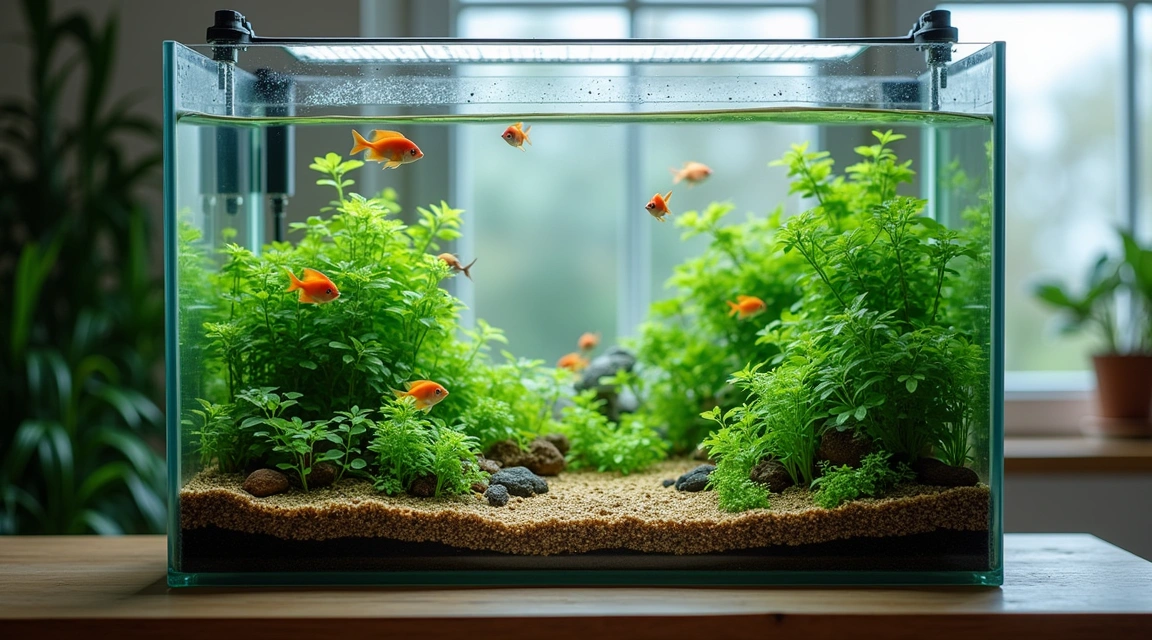
Starting a home aquarium is an exciting journey that brings a slice of underwater beauty into your living space. However, many beginners quickly discover that maintaining a thriving aquatic environment requires more than just feeding fish and adding water. A consistent care routine is the foundation of aquarium success, preventing common problems like algae blooms, cloudy water, and fish illness before they start. This guide breaks down everything you need to know about establishing and maintaining a beginner-friendly aquarium care schedule that keeps your fish healthy and your tank looking its best.
The beauty of aquarium keeping lies in its predictability—once you understand the basic maintenance tasks and their frequency, caring for your tank becomes second nature. Whether you’re managing a small 10-gallon betta tank or a larger community aquarium, the principles remain consistent. The key is understanding which tasks need daily attention, which are weekly commitments, and which can be scheduled monthly or even less frequently.
Understanding the Core Components of Aquarium Maintenance
Before diving into specific routines, it’s essential to understand what you’re actually maintaining. An aquarium is a closed ecosystem where waste products from fish, uneaten food, and decaying plant matter continuously accumulate. Without regular intervention, these compounds build up to toxic levels that stress or kill your fish.
The nitrogen cycle is central to aquarium health. Fish produce ammonia through waste, beneficial bacteria convert ammonia to nitrite, and other bacteria convert nitrite to nitrate. Your job is to keep this cycle balanced through water changes and filter maintenance while monitoring water parameters to catch problems early.
Equipment maintenance is equally important. Filters, heaters, lights, and air pumps all require periodic attention to function properly. A clogged filter can’t provide adequate biological filtration, while a malfunctioning heater can create dangerous temperature swings. Regular checks ensure your equipment supports rather than hinders your fish.
Daily Aquarium Care Tasks

Daily care doesn’t need to be time-consuming—most beginners can complete these tasks in just five to ten minutes. Start each day with a visual inspection of your tank. Count your fish to ensure everyone is present and observe their behavior. Healthy fish are active, have good appetite, and display vibrant colors. Lethargy, hiding, rapid breathing, or refusing food are early warning signs of problems.
Feed your fish once or twice daily, offering only what they can consume in two to three minutes. Overfeeding is one of the most common beginner mistakes, leading to water quality issues as excess food decomposes. If you notice uneaten food after feeding time, reduce the portion size. Many experienced aquarists recommend skipping one day of feeding per week to prevent overfeeding and give fish digestive systems a rest.
Check your equipment during daily observations. Ensure the filter is running with steady water flow, the heater maintains proper temperature (typically 75-80°F for tropical fish), and all lights function correctly. These quick checks catch equipment failures before they become emergencies. Also scan for dead plant leaves or deceased fish, removing them immediately to prevent water quality degradation.
Weekly Maintenance Schedule
Weekly tasks form the backbone of aquarium care and typically require 30-45 minutes depending on tank size. Water changes are the single most important weekly task for beginners. Plan to replace 15-25% of your tank water every week using a gravel vacuum or siphon. This process serves double duty—removing water containing accumulated nitrates while vacuuming debris from the substrate.
When performing water changes, treat replacement water with dechlorinator before adding it to your tank. Match the temperature of new water to your tank temperature to avoid shocking your fish. Many beginners make the mistake of using distilled or reverse osmosis water, but most fish thrive in treated tap water that retains beneficial minerals.
Test your water parameters weekly using a liquid test kit (not test strips, which are less accurate). Check ammonia, nitrite, nitrate, pH, and hardness. In an established tank, ammonia and nitrite should read zero, nitrates should stay below 40 ppm, and pH should remain stable within the range appropriate for your fish species. Record these readings in a log to identify trends before they become problems.
Algae management is another weekly consideration. Wipe down the inside glass with an algae scraper or magnetic cleaner to maintain clear viewing. Some algae growth is normal and even beneficial, but excessive algae indicates imbalances—usually too much light, excess nutrients from overfeeding, or insufficient water changes. Address the root cause rather than just removing visible algae.
Monthly and As-Needed Maintenance
Monthly tasks go deeper into system maintenance. Clean or replace filter media according to manufacturer guidelines, but never replace all media at once—this removes beneficial bacteria colonies. For multi-stage filters, rotate media replacement over several weeks. Rinse mechanical filter media in old tank water (never tap water, which kills beneficial bacteria) to remove debris while preserving bacterial populations.
Inspect all equipment more thoroughly each month. Check heater accuracy with a separate thermometer, examine airline tubing for cracks or blockages, and clean light fixtures to ensure optimal brightness for plants. Replace filter cartridges, carbon media, or other consumables as recommended by manufacturers.
Trim live plants monthly or as needed to maintain appearance and prevent overcrowding. Remove dead leaves promptly and thin fast-growing species that might shade slower plants. If you notice plant deficiencies—yellowing leaves, stunted growth, or holes—consider adding liquid fertilizers designed for aquarium use.
Deep substrate cleaning should occur every few months in most tanks. While weekly vacuuming addresses surface debris, periodic deep cleaning removes pockets of waste that settle between gravel or substrate particles. However, be gentle if you have an established planted tank, as aggressive cleaning can disturb root systems and beneficial bacteria.
Comparison of Maintenance Schedules by Experience Level
| Task Frequency | Absolute Beginner | Developing Aquarist | Experienced Keeper |
|---|---|---|---|
| Daily | Visual check, single feeding, equipment verification | Visual check, targeted feeding, note behavioral changes | Quick scan, precision feeding, proactive adjustments |
| Weekly | 25% water change, basic parameter testing, algae removal | 15-20% water change, comprehensive testing, plant maintenance | 10-15% water change, selective testing, aesthetic refinement |
| Monthly | Filter rinse, equipment check, substrate vacuuming | Partial media replacement, calibration checks, aquascaping | Strategic media rotation, system optimization, breeding prep |
| Time Investment | 1-2 hours weekly total | 1-1.5 hours weekly total | 45-60 minutes weekly total |
Tailoring Your Routine to Your Tank Type
Not all aquariums require identical care schedules. A heavily planted tank with few fish and strong biological filtration may need less frequent water changes than a densely stocked goldfish tank. Betta tanks under five gallons require more frequent water changes (sometimes twice weekly) due to rapid waste accumulation in small volumes.
For absolute beginners, start with a conservative schedule of larger, more frequent water changes—it’s nearly impossible to harm fish by changing too much water, but easy to harm them by changing too little. As you gain experience and your tank matures, you can adjust frequency based on actual test results rather than general guidelines.
Planted aquarium enthusiasts should add CO2 monitoring, fertilizer dosing, and light timing to their routines. These tanks often benefit from smaller, more frequent water changes to prevent nutrient imbalances. Conversely, fish-only tanks with simple setups might thrive with basic weekly maintenance and minimal intervention.
Common Mistakes and How to Avoid Them
The most frequent beginner error is inconsistency. Missing water changes for several weeks, then performing a massive 50% change, creates stress through rapid parameter swings. Establish a realistic schedule you can maintain long-term—a modest routine performed consistently beats an ambitious plan you can’t sustain.
Another pitfall is over-cleaning, particularly scrubbing decorations with soap or replacing all filter media simultaneously. These actions eliminate beneficial bacteria that keep your nitrogen cycle functioning. Clean decorations only with hot water and maintain established filter media whenever possible.
Many beginners also neglect water testing, relying solely on appearance. Cloudy or green water signals obvious problems, but fish can suffer in crystal-clear water with poor parameters. Regular testing catches invisible issues like rising nitrates or pH drift before they cause visible symptoms.
Building Long-Term Success
The transition from beginner to confident aquarist happens when routine maintenance becomes automatic habit. Keep a simple log tracking water changes, test results, and observations. Over time, patterns emerge showing how your specific tank responds to different care approaches, allowing you to refine your routine.
Invest in quality basic equipment from the start—a reliable test kit, proper-sized filter, and adjustable heater prevent more problems than they cost. Budget-friendly shortcuts often lead to expensive fish losses and equipment replacements that exceed the initial savings.
Remember that every established aquarist started exactly where you are now. The learning curve is part of the hobby’s appeal, and each challenge teaches valuable lessons about aquatic ecology. With consistent care and attention to detail, your aquarium will mature into a stable, thriving ecosystem that brings years of enjoyment with minimal intervention.
Starting with a solid care routine gives you the foundation to explore more advanced aspects of the hobby—breeding programs, aquascaping competitions, or rare species keeping. But regardless of where your aquarium journey leads, these fundamental maintenance practices remain essential to success at every level.