
Starting your fishing journey doesn’t require a boatload of expensive equipment or a tackle box overflowing with every lure imaginable. According to the Recreational Boating and Fishing Foundation, approximately 55 million Americans fish annually, with beginners accounting for roughly 8-10 million of those participants. The key to a successful first outing lies in having the right essential gear—not the most gear—that matches your skill level and target species.
This comprehensive beginner fishing gear checklist will guide you through exactly what you need to get started, helping you avoid costly mistakes while ensuring you have everything necessary for an enjoyable day on the water. Whether you’re planning to fish from shore, a dock, or eventually from a boat, understanding these fundamentals will set you up for long-term success in this rewarding outdoor pursuit.
Essential Rod and Reel Combinations for Beginners
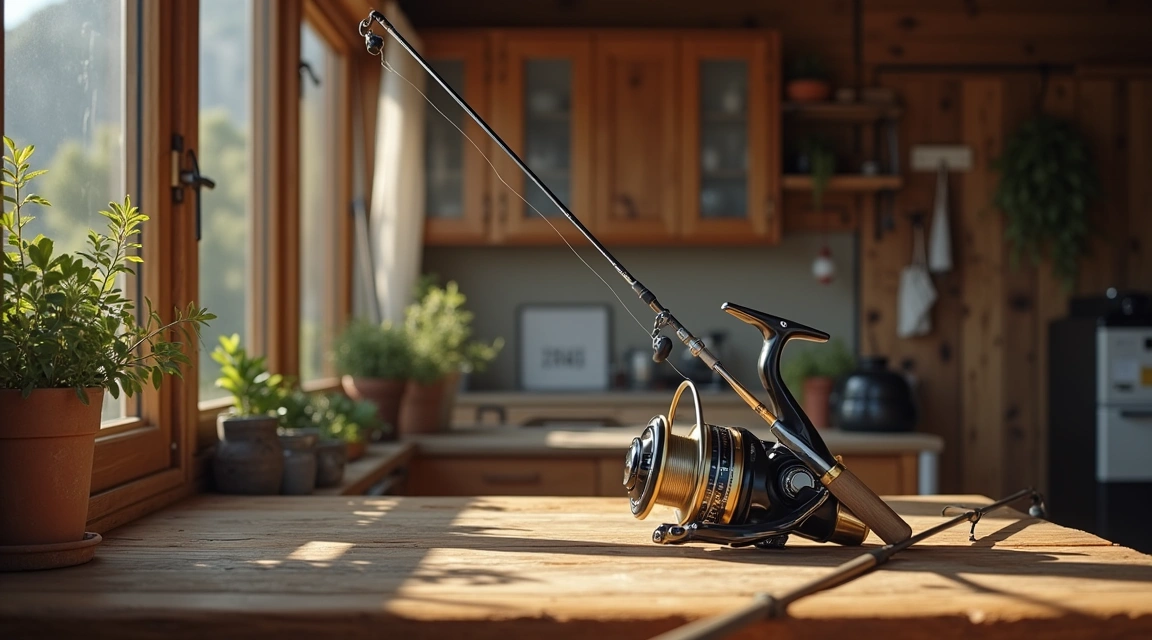
Your rod and reel form the foundation of your fishing setup, and choosing the right combination dramatically impacts your learning curve. For beginners, a spinning rod and reel combo offers the most forgiving and versatile option. Industry experts consistently recommend medium-action rods in the 6 to 7-foot range paired with 2500 to 3000 series spinning reels.
A medium-action rod provides the flexibility needed to cast lighter lures while maintaining enough backbone to handle larger fish. The American Sportfishing Association reports that spinning combos account for 68% of beginner purchases, primarily because they minimize line tangles and allow for easier casting techniques compared to baitcasting or spincast alternatives.
When selecting your first combo, look for pre-spooled options that include monofilament line in the 8 to 12-pound test range. Manufacturers like Ugly Stik, Penn, and Pflueger offer complete packages between $50 and $100 that include everything you need to start casting. These combos typically feature durable fiberglass or composite rod blanks that withstand the inevitable bumps and drops that come with learning.
One critical caveat: avoid the temptation to purchase the cheapest possible option. Rods under $25 often feature inferior guides and reel seats that fail quickly, creating frustration and potentially costing more in replacements. A quality entry-level combo should last several seasons with proper care, making it a worthwhile investment in your new hobby.
Tackle Box Essentials: Hooks, Weights, and Terminal Tackle
Your tackle selection should remain simple and focused on versatility. A basic tackle box measuring 11 to 14 inches provides adequate storage without overwhelming you with organizational decisions. Start with a two-tray system that allows easy access to frequently used items.
For hooks, stock your box with assorted sizes in three categories: Aberdeen hooks (sizes 6-10) for live bait, circle hooks (sizes 2/0-4/0) for catch-and-release fishing, and octopus hooks (sizes 2-6) for general purposes. According to field testing by outdoor publications, having 20-30 hooks across these ranges covers approximately 85% of beginner fishing scenarios in both freshwater and light saltwater environments.
Split shot weights in removable form allow you to adjust your presentation depth without cutting line. Purchase an assortment pack containing sizes from BB to 3/0. Barrel swivels in sizes 10 and 12 prevent line twist, especially important when using spinning gear. Add 6-8 snap swivels to facilitate quick lure changes without retying knots constantly.
Soft plastic baits deserve special mention as they’ve become the most cost-effective and productive option for beginners. A study published in the North American Journal of Fisheries Management found that soft plastics rigged on jig heads accounted for higher catch rates among novice anglers than traditional hard lures. Stock 15-20 soft plastic worms, creature baits, or swimbaits in natural colors like watermelon, pumpkin, and white. Pair these with 1/8 to 1/4-ounce jig heads in similar quantities.
Don’t overlook bobbers (floats) in your initial setup. Spring-loaded clip-on bobbers in 1-inch and 2-inch sizes let you suspend bait at precise depths, a technique that remains highly effective for species like panfish, trout, and bass. Professional guides report that bobber fishing helps beginners develop critical fish-detecting skills by providing clear visual strike indicators.
Must-Have Accessories and Tools
Beyond rods and tackle, several accessories transform fishing from possible to practical. Needle-nose pliers with built-in line cutters serve dual purposes: removing hooks safely and trimming line precisely. Models with corrosion-resistant coatings cost between $10 and $20 and prove invaluable when dealing with hook sets deep in a fish’s mouth.
A quality nail clipper or dedicated line clipper ensures clean cuts when tying knots. Frayed line ends dramatically weaken knot strength, with testing showing up to 40% reduction in breaking strength when cut improperly. Attach your clipper to a retractable zinger for easy access.
Polarized sunglasses serve purposes beyond eye protection. They reduce surface glare, allowing you to spot fish, underwater structure, and submerged hazards. The Vision Council reports that polarized lenses improve underwater visibility by 60-95% depending on light conditions, giving beginners a significant advantage when reading water.
A fishing net appropriate to your target species prevents lost fish during landing. Rubberized mesh nets minimize damage to fish slime coats and reduce hook entanglement compared to traditional knotted mesh. For most beginner scenarios, a net with an 18-inch hoop diameter and 24-inch handle length provides adequate reach without becoming cumbersome.
Additional accessories to round out your checklist include a basic first-aid kit with bandages and antiseptic, sunscreen with SPF 30 or higher, insect repellent, a fishing license holder, and a small tackle bag or backpack for transporting gear. A fish gripper or lip-gripping tool helps handle toothy species safely, while a tape measure or marked rod allows you to verify legal size limits for regulated species.
Understanding Line Selection and Maintenance
Fishing line represents the critical connection between you and your catch, yet beginners often overlook its importance. Three main line types exist: monofilament, braided, and fluorocarbon, each with distinct characteristics.
Monofilament remains the gold standard for beginners due to its forgiving nature, manageable cost, and ease of use. It stretches approximately 25% under load, which cushions hook sets and helps prevent pulled hooks—a common issue when learning proper fighting techniques. Berkley, Stren, and Trilene offer quality monofilament in 1,000-yard spools for $15-25, providing excellent value.
For most beginner applications, 10-pound test monofilament balances strength with castability. This diameter handles fish ranging from 1-pound panfish to 10-pound bass or walleye without requiring constant adjustments. Replace monofilament line annually, as ultraviolet exposure and repeated casting cycles degrade its strength by 20-30% per season according to polymer studies.
Braided line offers superior sensitivity and zero stretch but comes with a steeper learning curve. Its visibility and lack of forgiveness make it less ideal for absolute beginners, though intermediate anglers often transition to braid for specific applications. Fluorocarbon serves best as leader material rather than main line for beginners, as its stiffness creates casting challenges on spinning reels.
Proper line maintenance extends equipment life significantly. After each outing, wipe your line with a damp cloth to remove dirt and debris. Check the first 20 feet regularly for abrasion or weak spots, trimming and retying as needed. Store rods horizontally or vertically to prevent line memory issues that create frustrating loops and tangles.
Comprehensive Beginner Fishing Gear Investment Breakdown
| Item Category | Specific Items | Recommended Specifications | Typical Cost Range | Priority Level |
|---|---|---|---|---|
| Rod & Reel | Spinning combo | 6-7 ft medium action, 2500-3000 series reel | $50-$100 | Critical |
| Fishing Line | Monofilament | 10-12 lb test, 300+ yards | $8-$15 | Critical |
| Hooks | Assorted styles | Aberdeen, circle, octopus (20-30 total) | $5-$12 | Critical |
| Weights & Sinkers | Split shot assortment | BB through 3/0 sizes | $4-$8 | Critical |
| Soft Plastics | Worms, creature baits | 4-5 inch, natural colors (15-20 pieces) | $10-$20 | High |
| Jig Heads | Assorted weights | 1/8 to 1/4 oz (15-20 pieces) | $6-$12 | High |
| Bobbers | Clip-on floats | 1-2 inch sizes (6-8 pieces) | $3-$6 | High |
| Swivels | Barrel and snap swivels | Size 10-12 (20 pieces total) | $4-$8 | Medium |
| Tackle Storage | Two-tray tackle box | 11-14 inch, water-resistant | $15-$30 | High |
| Pliers | Needle-nose fishing pliers | Corrosion-resistant with line cutters | $10-$20 | Critical |
| Line Cutter | Nail clipper or dedicated cutter | Sharp, corrosion-resistant | $3-$8 | High |
| Polarized Sunglasses | UV-protective eyewear | UV400 protection, polarized lenses | $15-$50 | High |
| Landing Net | Rubberized mesh net | 18-inch hoop, 24-inch handle | $15-$35 | Medium |
| Safety & Comfort | First aid, sunscreen, insect repellent | Basic supplies, SPF 30+ | $15-$25 | Medium |
| Fishing License | State/local permit | Appropriate for your location and age | $15-$50 | Critical |
| Total Investment | Complete beginner setup | $178-$399 | ||
Conclusion: Building Your Foundation for Fishing Success
Assembling the right beginner fishing gear checklist comes down to balancing essentials with budget constraints while avoiding both under-buying and over-buying. The complete setup outlined above, totaling between $180 and $400 depending on brand choices and local pricing, provides everything necessary to begin fishing effectively across most freshwater and light saltwater environments.
Focus your initial investment on quality fundamentals: a reliable rod and reel combo, versatile tackle selection, and safety accessories. As you develop skills and identify preferred fishing styles, you can expand your collection strategically rather than accumulating equipment that sits unused.
Remember that fishing success depends more on understanding fish behavior, reading water conditions, and developing proper techniques than owning the most expensive gear. The Outdoor Foundation’s 2024 participation report indicates that beginners who start with appropriate basic equipment show 3x higher retention rates after one year compared to those who either overspend on premium gear or under-invest in quality essentials.
Purchase your fishing license before your first outing, familiarize yourself with local regulations regarding size and bag limits, and consider joining a local fishing club or online community. These resources provide invaluable knowledge that no amount of equipment can replace. With this checklist as your foundation, you’re equipped to begin building skills and memories that can last a lifetime on the water.