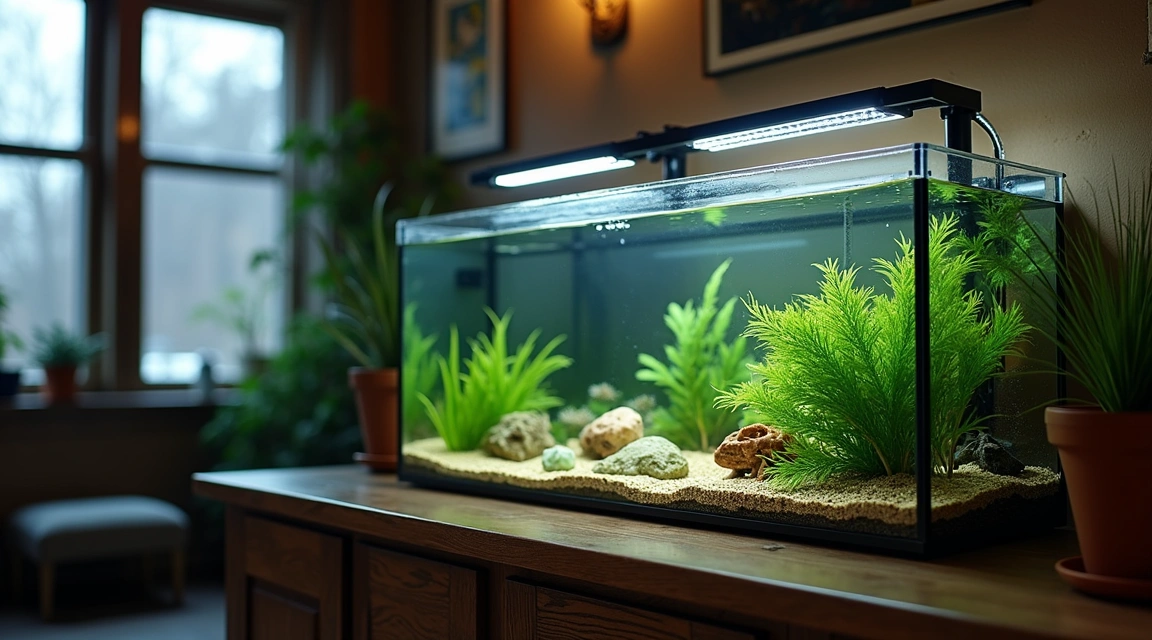
When I set up my first aquarium seven years ago, I made every rookie mistake in the book. I added fish the same day I filled the tank, never tested the water, and wondered why my beautiful goldfish kept gasping at the surface. After losing several fish and finally doing my homework, I realized that water quality isn’t just important—it’s everything. Your fish literally live, breathe, eat, and excrete in their water. Understanding the basics of fish tank water quality transformed my aquarium from a money pit into a thriving underwater ecosystem.
The Core Water Parameters You Must Monitor
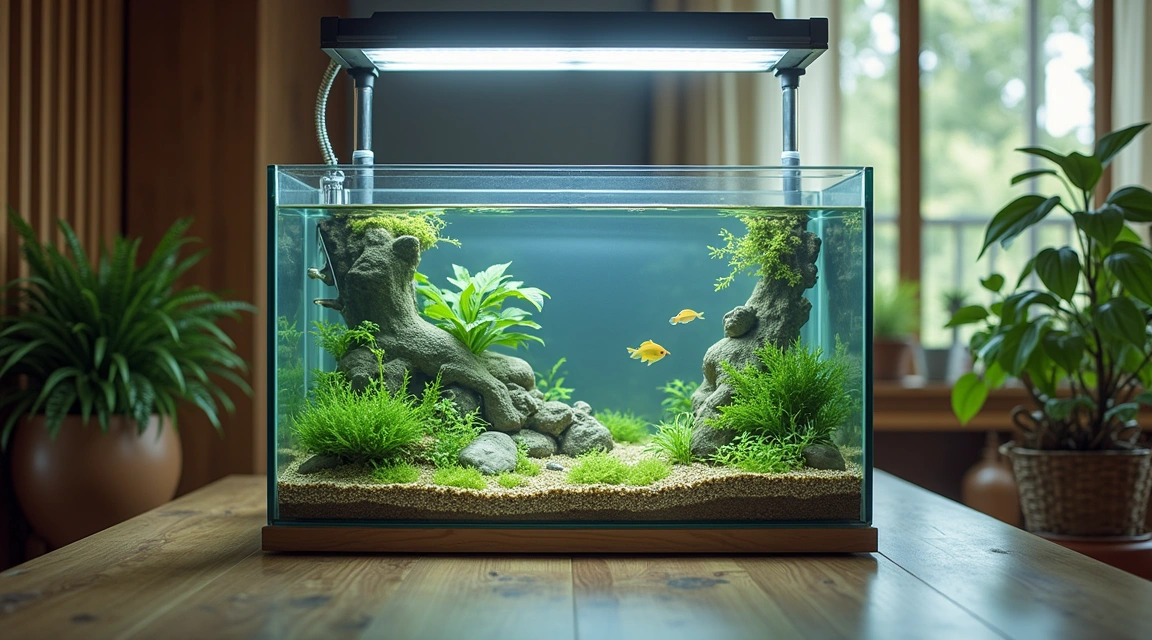
Think of water quality like the air quality in your home. You wouldn’t want to breathe polluted air all day, and your fish feel the same way about contaminated water. The five critical parameters every fishkeeper should understand are ammonia, nitrite, nitrate, pH, and temperature.
Ammonia and nitrite are the silent killers in any aquarium. Fish produce ammonia through their waste and respiration, and even tiny amounts—we’re talking 0.25 parts per million—can stress or kill your fish. In a healthy tank, beneficial bacteria convert ammonia into nitrite, then into the far less toxic nitrate. This is called the nitrogen cycle, and it’s the foundation of good water quality. New tanks need 4-6 weeks to establish these bacteria colonies, which is why the “cycling” period is so crucial.
pH levels measure how acidic or alkaline your water is on a scale from 0-14. Most freshwater fish thrive between 6.5 and 7.5, though specific species have their preferences. African cichlids love alkaline water around 8.0, while tetras prefer slightly acidic conditions closer to 6.5. The key isn’t hitting a perfect number—it’s stability. Fish adapt better to consistent “wrong” pH than to constantly fluctuating “correct” pH.
Temperature affects everything from fish metabolism to oxygen levels. Tropical fish typically need 75-80°F, while goldfish prefer cooler water around 65-72°F. A reliable aquarium heater and thermometer are non-negotiable investments.
The Pros of Maintaining Excellent Water Quality
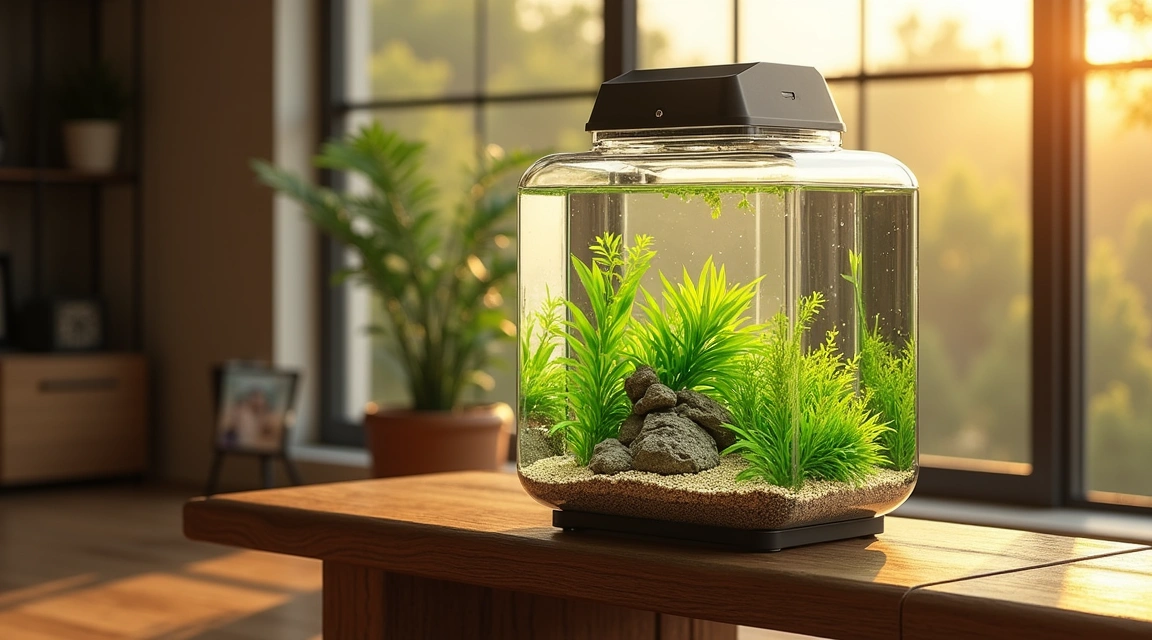
When you nail your water parameters, the benefits are immediate and obvious. Healthy fish display vibrant colors—my angelfish went from pale gray to stunning silver with black stripes once I got my water chemistry right. They’re more active, swimming enthusiastically rather than hanging listlessly near the bottom.
Disease resistance improves dramatically. In my experience, fish in pristine water rarely get ich, fin rot, or fungal infections. Their immune systems function properly, and minor injuries heal quickly. I’ve also noticed that fish in quality water live significantly longer. My neon tetras are pushing five years old, well beyond their typical 3-4 year lifespan.
From a practical standpoint, good water quality means less maintenance drama. Algae growth stays manageable, the tank doesn’t develop that swampy smell, and you’re not constantly at the pet store buying medications or replacement fish. Your filter works more efficiently, and you spend more time enjoying your aquarium than worrying about it.
The Cons and Challenges of Water Quality Management
Let’s be honest: maintaining perfect water quality requires consistent effort and upfront investment. Quality test kits cost $30-50, and you’ll use them regularly—especially during the first few months. API Master Test Kit has served me well, but liquid tests are more accurate than strips despite being slightly more tedious to use.
The cycling process tests your patience. Watching an empty tank for six weeks while bacteria colonize is boring, and the temptation to add fish early is strong. I rushed it once and paid the price with emergency water changes and stressed fish.
Water changes become a weekly commitment. I dedicate 30-45 minutes every Sunday to changing 25-30% of my 40-gallon tank’s water. It’s not difficult, but it’s non-negotiable. Skip too many weeks and you’ll see nitrate levels creep up, algae explode, and fish health decline.
Tap water complications can be frustrating. Depending on your municipal water supply, you might battle high chlorine, chloramine, heavy metals, or wildly fluctuating pH. I use a dechlorinator for every water change and occasionally need pH buffers. Some fishkeepers with terrible tap water invest in RO (reverse osmosis) systems, which work beautifully but add complexity and cost.
Who Should Focus Most on Water Quality Basics
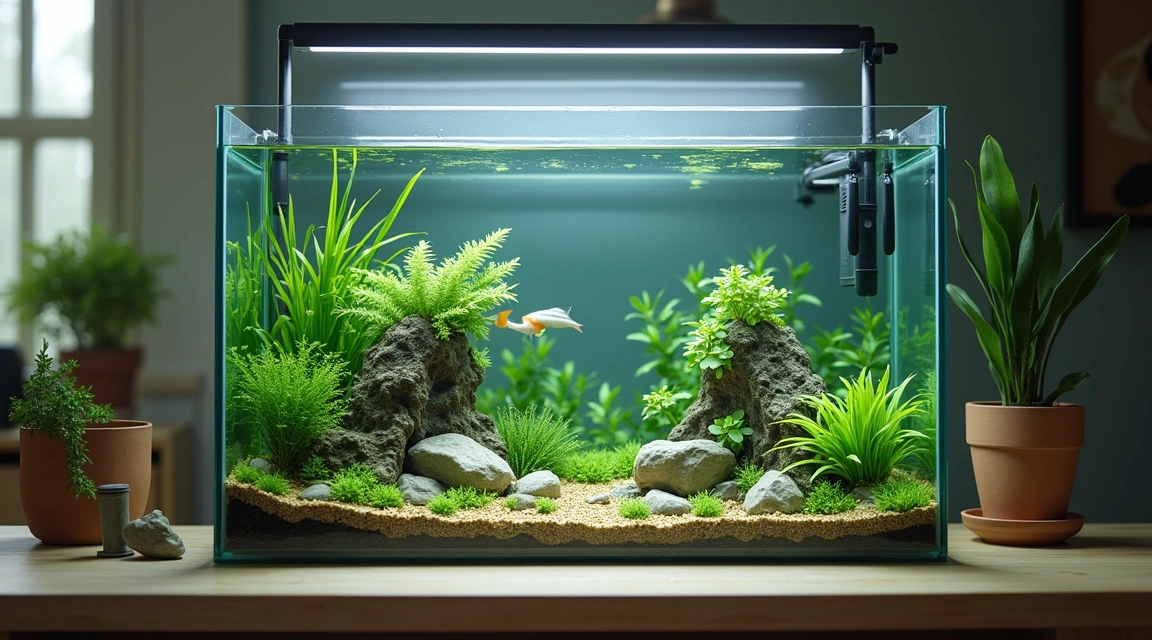
Absolute beginners need to master these basics before anything else. If you’re setting up your first tank, spend less money on fancy decorations and more on quality filtration and test kits. The fundamentals matter infinitely more than aesthetics when you’re starting out.
Anyone keeping sensitive species must be vigilant. Discus, crystal shrimp, and many wild-caught fish have zero tolerance for ammonia or pH swings. If you’re drawn to challenging species, water quality management becomes even more critical.
Those upgrading to larger tanks will appreciate that good habits scale beautifully. My 75-gallon tank is actually easier to maintain than my old 10-gallon because the larger water volume is more stable and forgiving. But you still need to understand the principles.
Busy people should actually pay more attention to water quality, not less. Counterintuitively, investing time upfront in proper setup and regular maintenance prevents the time-consuming emergencies that come from neglect. An automated water change system or quality filtration can help, but understanding the basics remains essential.
Frequently Asked Questions
How often should I test my aquarium water?
For new tanks still cycling, test ammonia and nitrite daily until both read zero for at least a week. For established tanks, test weekly for the first few months, then bi-weekly or monthly once stable. Always test immediately if fish show stress signs like gasping, hiding, or refusing food. I keep my test kit handy and check parameters whenever something seems off.
Can I use bottled water instead of tap water to avoid chemicals?
You can, but it’s expensive and often unnecessary. Most tap water works fine with a quality dechlorinator. Bottled water also lacks the minerals fish need, so you might need to remineralize it anyway. I’ve found that treating tap water is more practical and cost-effective for all but the smallest tanks. If your tap water is genuinely problematic, an RO system with remineralization is a better long-term solution than buying endless bottles.
What’s the single most important thing I can do for water quality?
Don’t overstock your tank and don’t overfeed your fish. Both mistakes generate excess waste that overwhelms your biological filtration. I follow the “one inch of fish per gallon” rule as a starting point, accounting for adult size, not baby size. For feeding, I give only what my fish consume in 2-3 minutes, once or twice daily. These two practices prevent most water quality problems before they start. Everything else—filtration, water changes, testing—becomes much easier when you’re not fighting an uphill battle against excessive bioload.