
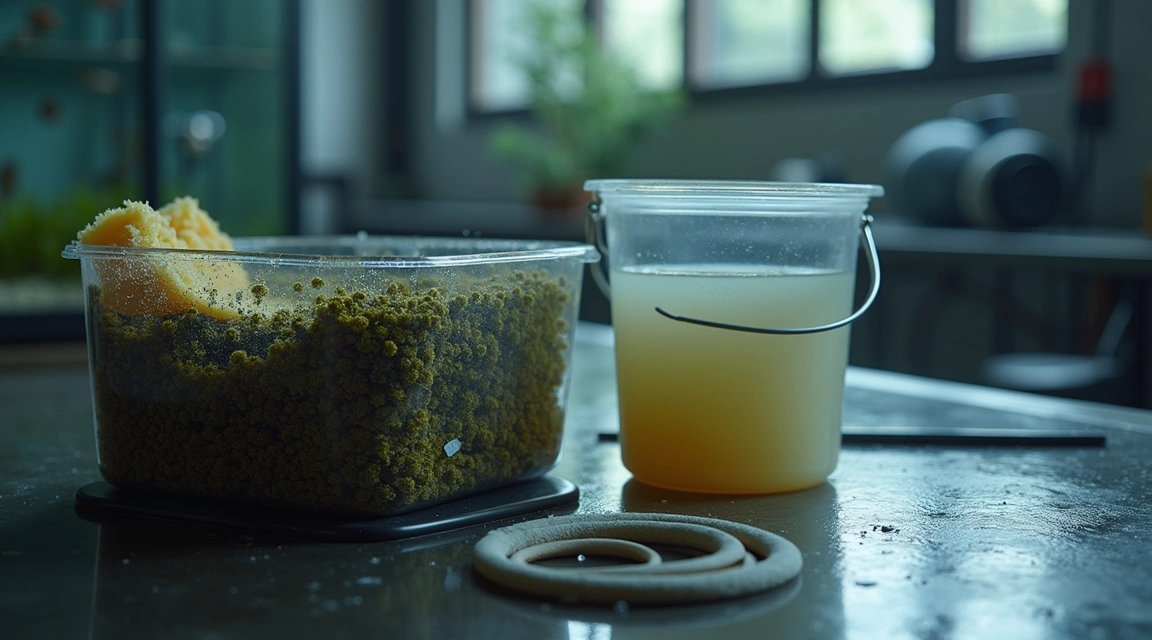
Maintaining a thriving aquarium requires more than just feeding your fish and topping off the water. A well-planned maintenance schedule is the backbone of successful aquarium keeping, ensuring water quality remains stable, equipment functions properly, and inhabitants stay healthy. Whether you’re managing a small freshwater tank or a complex reef system, understanding the key comparison points between different maintenance approaches helps you design a routine that fits your specific setup and lifestyle.
Different aquariums demand different levels of attention. A densely stocked cichlid tank produces more waste than a lightly populated planted aquarium, while saltwater systems often require more frequent parameter testing than their freshwater counterparts. The challenge lies in identifying which maintenance tasks are essential for your specific system, how often they should be performed, and what you can reasonably commit to without burning out or compromising your aquarium’s health.
Understanding Maintenance Frequency Variables
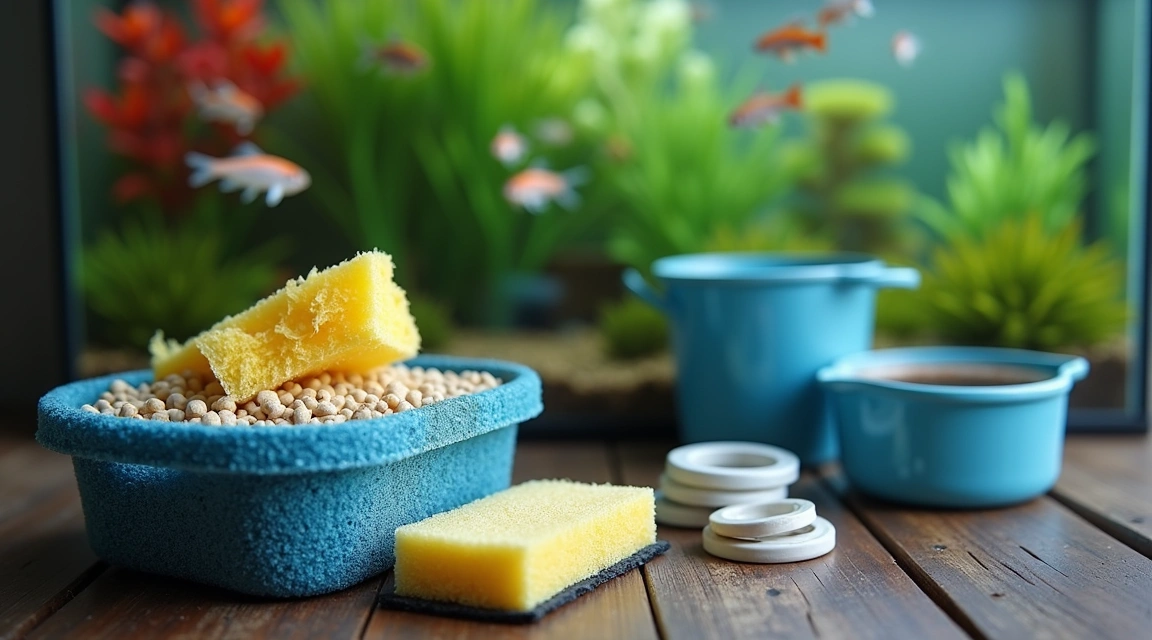
The ideal maintenance schedule for your aquarium depends on several interconnected factors that influence water quality and system stability. Tank volume plays a significant role—larger bodies of water dilute waste more effectively and experience slower parameter swings than smaller tanks. A small desktop tank may need attention several times weekly, while a larger established system might maintain stability with less frequent intervention.
Stocking density directly impacts maintenance needs. An aquarium near its biological capacity accumulates nitrates faster and requires more frequent water changes than one with conservative stocking. Fish that produce substantial waste, such as goldfish or large cichlids, accelerate the need for maintenance compared to small community fish or invertebrates. When comparing maintenance schedules, always consider whether the routine matches your actual bioload or represents a generic template that may not suit your situation.
Filtration capacity and type also shape your maintenance calendar. Canister filters typically need cleaning less frequently than hang-on-back units, while sponge filters in lightly stocked tanks can run for extended periods between maintenance sessions. Heavily planted tanks with robust biological filtration naturally process waste more efficiently, potentially reducing the frequency of water changes compared to bare-bottom setups. For comprehensive guidance on aquarium care fundamentals, visit our Aquarium & Fish Care section.
Water source quality matters considerably. If your tap water contains high phosphates, nitrates, or chloramines, you may need to perform smaller, more frequent water changes or invest in pre-treatment systems. Conversely, aquarium keepers with clean source water can sometimes extend intervals between changes without negative consequences. Always test both your aquarium water and replacement water to understand what you’re introducing during maintenance.
Comparing Daily, Weekly, and Monthly Task Allocation
Effective maintenance schedules distribute tasks across different time frames to prevent overwhelming workload while ensuring nothing critical gets neglected. Daily tasks typically focus on observation and quick interventions—checking that all fish appear healthy and behaving normally, confirming equipment operates correctly, removing any visible debris or uneaten food, and ensuring temperature remains stable. These quick daily checks take just a few minutes but catch problems before they escalate.
Weekly maintenance usually includes the most impactful tasks for water quality. Many aquarium keepers perform partial water changes weekly, removing a portion of old water and replacing it with treated fresh water. The exact percentage varies based on stocking and filtration, but consistent weekly changes help export accumulated nitrates and replenish trace elements. Weekly routines often include testing key parameters such as ammonia, nitrite, nitrate, and pH to detect trends before they become problems. This is also when many aquarium keepers clean the front glass, check filter intake screens for blockages, and dose fertilizers or supplements if needed.
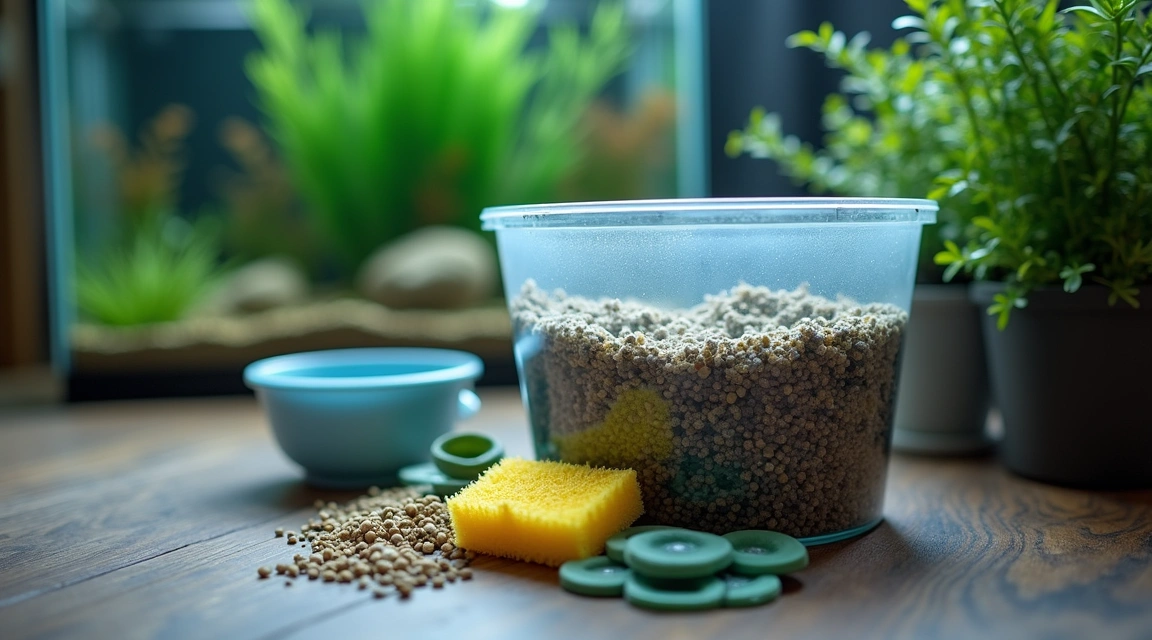
Monthly or less frequent tasks address equipment maintenance and deeper cleaning. Filter media typically needs inspection and cleaning when flow rates decrease noticeably—some mechanical media requires monthly attention while biological media should only be gently rinsed to preserve beneficial bacteria colonies. Checking lighting equipment, replacing carbon or other chemical media, pruning excess plant growth, and vacuuming substrate in areas that accumulate detritus often fall into this category. Monthly maintenance periods provide good opportunities to inspect equipment for wear, test backup systems like air pumps or heaters, and review whether your routine is actually maintaining stable parameters.
When comparing maintenance schedules, consider the cumulative time investment rather than just frequency. A schedule calling for daily fifteen-minute sessions may actually demand less total time and produce better results than one requiring two-hour monthly marathons. Consistency often matters more than intensity—small, regular interventions prevent the buildup of problems that require exhaustive correction efforts.
Adapting Schedules to Tank Type and Maturity
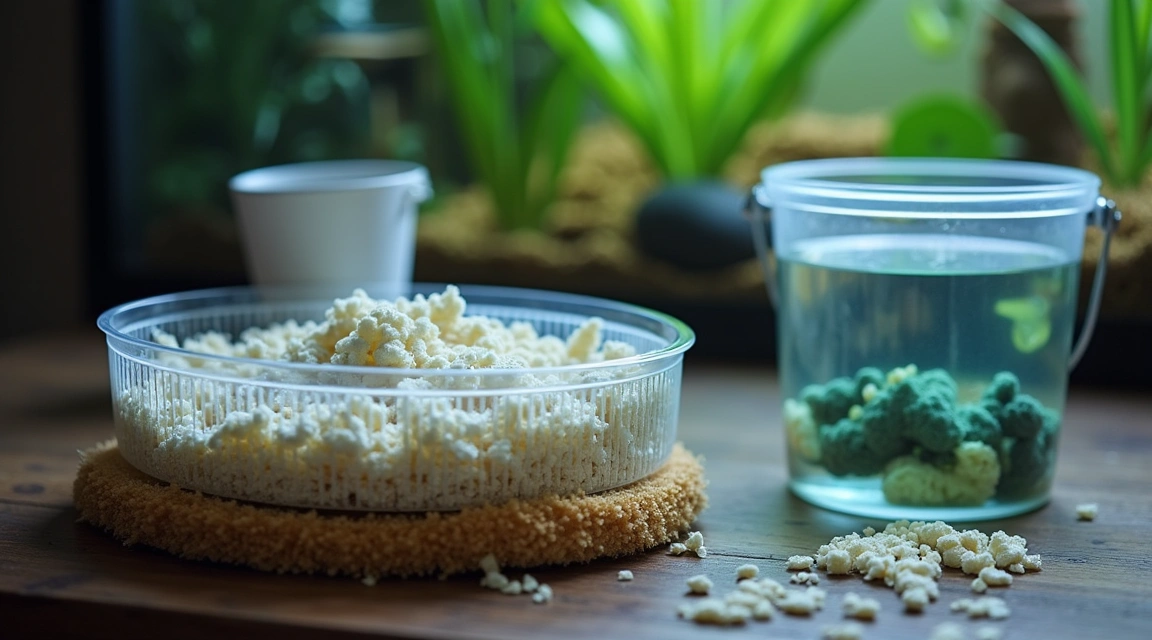
Maintenance needs evolve as aquariums mature and as different system types have distinct requirements. Newly established aquariums demand more frequent attention during the critical cycling period when beneficial bacteria populations are still developing. Newly set up tanks may require daily parameter testing and more frequent small water changes to dilute ammonia and nitrite spikes, even though mature tanks of the same size might thrive on weekly maintenance alone.
Planted aquariums introduce additional considerations. Heavily planted tanks with good growth may actually require fewer water changes since plants actively remove nitrates and other compounds. However, they add tasks such as fertilizer dosing, CO2 system management if used, and plant maintenance like trimming and replanting. Comparing a planted tank maintenance schedule to a fish-only schedule reveals different priorities—the planted version emphasizes nutrient balance and lighting duration while the fish-only version focuses more heavily on waste export through water changes.
Saltwater and reef aquariums typically require more complex maintenance schedules than freshwater systems. Marine tanks often need more frequent and precise parameter testing, including calcium, alkalinity, magnesium, and salinity in addition to standard nitrogen cycle parameters. Reef systems with corals may require regular dosing of supplements, more attention to water flow patterns, and careful monitoring of lighting schedules. When evaluating saltwater maintenance schedules, verify they address the specific needs of your inhabitants—a fish-only marine tank differs substantially from a mixed reef with sensitive SPS corals.
Specialized setups such as breeding tanks, quarantine systems, or species-specific biotope aquariums each demand tailored maintenance approaches. Breeding tanks may need daily siphoning of fry food waste and more frequent small water changes, while quarantine tanks require heightened vigilance for disease signs and potentially more aggressive water change schedules to support stressed fish. Understanding these distinctions helps you avoid applying a generic maintenance template to a specialized situation where it may prove inadequate.
Practical Maintenance Schedule Comparison Checklist
| Comparison Factor | Questions to Consider | Impact on Schedule Design |
|---|---|---|
| System Stability | How quickly do parameters change? Does the tank recover well from missed maintenance? | Stable systems tolerate flexible schedules; unstable systems need rigid consistency |
| Time Investment | How much time can you reliably dedicate? Daily, weekly, or monthly blocks? | Match task frequency to your actual available time, not aspirational plans |
| Bioload Reality | Is stocking level conservative, moderate, or pushing limits? | Higher bioload demands more frequent waste export and parameter testing |
| Equipment Complexity | How many devices need monitoring? Are systems automated or manual? | More equipment means more potential failure points requiring regular checks |
| Inhabitant Sensitivity | Are species hardy or delicate? Do they require stable parameters? | Sensitive species need tighter maintenance windows and quicker problem response |
| Water Source Quality | What parameters does your tap water bring? Do you need pre-treatment? | Poor source water may require more frequent but smaller changes, or filtration |
| Growth Stage | Is the tank newly cycling, maturing, or long-established? | New tanks need intensive monitoring; mature systems can extend some intervals |
| Seasonal Variation | Do temperature changes or feeding patterns shift with seasons? | Summer heat or winter dryness may require temporary schedule adjustments |
Building Your Personalized Maintenance Routine
Rather than adopting someone else’s maintenance schedule wholesale, use comparison points to build a routine tailored to your specific circumstances. Start by documenting your current approach—write down what you actually do, how long each task takes, and what you often skip or delay. This honest assessment reveals which tasks fit naturally into your routine and which create friction that leads to inconsistency.
Test parameter trends over several weeks to understand your tank’s actual needs. If nitrates remain low week to week with minimal water changes, you may not need aggressive weekly change schedules. Conversely, if you’re battling rising nitrates despite regular maintenance, you may need to increase frequency or volume. Let your tank’s measured behavior guide schedule adjustments rather than adhering rigidly to generic recommendations that may not match your system.
Consider creating a tiered schedule with essential tasks that never get skipped and optional enhancements you perform when time permits. Essential tasks might include feeding, daily health observation, weekly water changes, and monthly filter checks. Optional enhancements could include detailed aquascaping, extra glass cleaning, or supplemental water treatments. This framework prevents maintenance overwhelm while ensuring critical tasks receive consistent attention.
Document your schedule and track results. A simple log noting when you perform maintenance tasks, what parameters measured, and any observations about fish behavior or plant growth helps identify patterns and refine your approach over time. You may discover that your tank thrives with specific intervals that differ from common advice, or that seasonal adjustments improve stability during challenging periods.
Remember that maintenance schedules serve your aquarium, not the other way around. A schedule that creates stress or feels unsustainable will eventually fail, no matter how theoretically optimal. Better to maintain a modest but consistent routine you can reliably execute than to commit to an intensive schedule you’ll abandon within weeks. As your experience grows and you understand your specific system’s behavior, you can fine-tune the routine to optimize both results and time investment.
Successful aquarium maintenance balances biological needs, practical constraints, and sustainable habits. By comparing different schedule approaches against your tank’s specific characteristics—bioload, filtration capacity, inhabitant requirements, and your available time—you can design a maintenance routine that keeps your aquarium healthy without becoming burdensome. Regular observation, parameter testing, and honest assessment of what you can consistently execute will always outperform rigid adherence to generic schedules that may not fit your situation.