
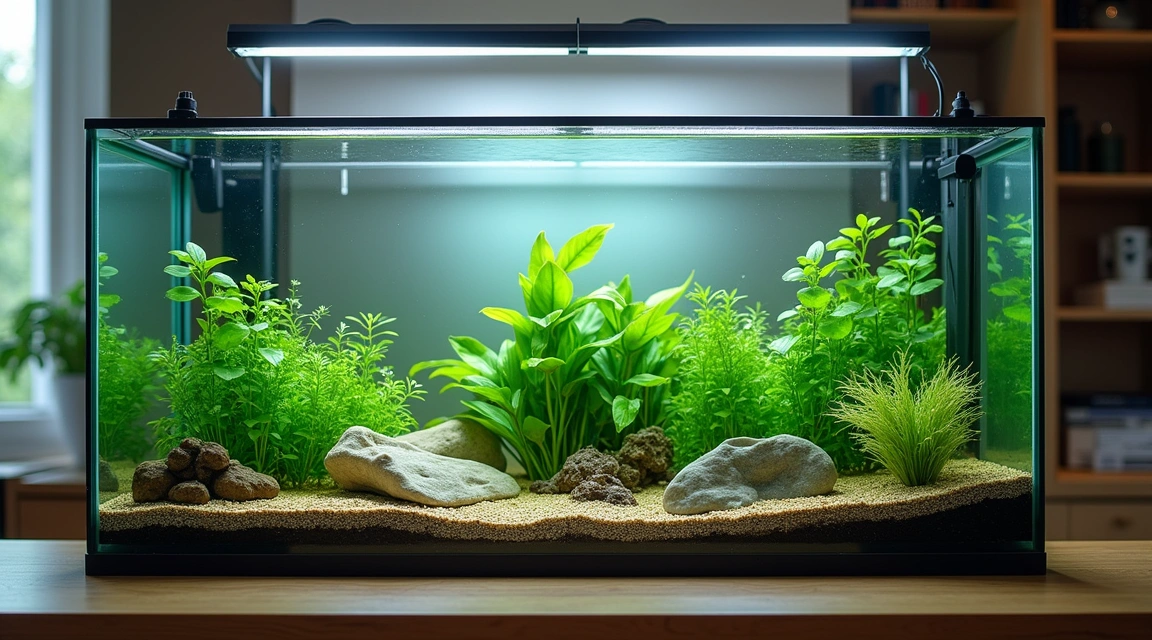
Setting up a new aquarium is one of the most exciting parts of keeping fish, but it’s also where mistakes can cost you both money and heartbreak. I learned this the hard way when my first tank setup went south—I hadn’t thought through filtration capacity, overlooked the nitrogen cycle, and picked decorations that actually harmed water chemistry. After years of trial and error, I now approach every tank setup with a checklist of essentials to review before buying anything or adding a single fish.
Whether you’re planning a freshwater community tank, a saltwater reef, or a specialized breeding setup, taking time to review key decisions upfront will save you from expensive do-overs and stressed livestock. This guide walks through the pros and cons of careful planning, who benefits most from this approach, and practical questions to answer before you commit to a setup.
Why Reviewing Setup Decisions Matters
Planning your tank setup before purchasing equipment or livestock gives you several real advantages. First, it helps you match tank size, filtration, and stocking levels to the species you actually want to keep. Many beginners pick a small tank for convenience, then discover their chosen fish need far more space or different water parameters. Reviewing compatibility upfront prevents that mismatch.
Second, thinking through the nitrogen cycle and filtration capacity early means you can cycle your tank properly before adding fish. A rushed setup often leads to ammonia spikes, bacterial blooms, and fish losses in the first few weeks. When I cycled my second tank slowly and tested water daily, I saw zero casualties—contrast that with my first attempt, where I lost half my stock in ten days.
Third, reviewing equipment needs helps you budget accurately. Filters, heaters, lights, substrates, and test kits add up quickly. If you know your total cost before shopping, you can prioritize essentials and avoid impulse buys that don’t fit your setup. I once bought an expensive protein skimmer for a freshwater tank because a sales associate recommended it—completely useless for my needs.
On the practical side, planning lets you position your tank where plumbing, electrical outlets, and structural support all line up. A large tank can weigh hundreds of pounds when filled, so confirming your floor and furniture can handle the load prevents disasters. Reviewing these logistics before setup day makes installation smoother and safer.
For more foundational guidance, visit our Tank Setup section, which covers equipment selection, cycling methods, and beginner-friendly layouts.
Potential Downsides of Overthinking Setup
While careful planning is valuable, it’s possible to get stuck in analysis paralysis. Some hobbyists spend months researching every detail, comparing dozens of filter models, and second-guessing substrate choices. This can delay your actual start and drain enthusiasm. At some point, you need to commit and learn by doing—real-world experience teaches lessons no forum post can.
Another downside is that over-planning can lead to over-buying. When you map out every possible scenario, you might purchase backup equipment, extra medications, or specialty tools you never actually use. I accumulated three different heater brands, two test kits for the same parameters, and a quarantine tank setup I’ve used once in three years. Stick to essentials for your first cycle, then expand as you identify genuine needs.
Rigid planning can also make you less adaptable. Tank conditions change—water chemistry shifts, fish behavior surprises you, and equipment fails. If you’ve locked yourself into a fixed plan, pivoting becomes stressful. I once insisted on a specific planted-tank layout, but my chosen plants melted in my tap water. Flexibility saved that tank; I switched to hardier species and adjusted lighting, and the setup thrived.
Finally, some review steps require expertise you may not have yet. Evaluating advanced filtration, diagnosing water-quality issues, or selecting compatible species can overwhelm beginners. It’s fine to start with simpler, well-documented setups—like a standard freshwater community tank with beginner fish—and build knowledge gradually. Don’t let the learning curve stop you from starting.
Who Benefits Most from This Approach
Careful setup review is especially helpful for beginners who haven’t cycled a tank before. If you’re new to nitrogen cycles, water testing, and filtration, investing time upfront prevents costly mistakes and fish suffering. I recommend every first-time aquarist spend at least a week reading about cycling, compatible species, and basic water chemistry before buying anything.
This approach also suits hobbyists planning larger or more expensive systems. Reef tanks, large cichlid setups, and high-tech planted aquariums involve significant investment. Reviewing equipment compatibility, species requirements, and maintenance schedules before purchase protects that investment and increases success rates. Mistakes in a small betta tank cost maybe fifty dollars; mistakes in a saltwater reef can run into the thousands.
People with space or budget constraints benefit from thorough planning, too. If you live in a small apartment or have limited funds, you need to get the setup right the first time. Reviewing dimensions, weight limits, noise levels, and total costs ensures your tank fits your home and wallet without unpleasant surprises.
Finally, anyone keeping sensitive or specialized species—like discus, marine invertebrates, or breeding pairs—should review setup parameters carefully. These animals have narrow tolerance ranges and specific environmental needs. Generic advice won’t cut it; you need to match pH, hardness, temperature, flow, and tank mates to their exact requirements. Researching those details before setup saves lives.
Frequently Asked Questions
What are the most important factors to review before starting a tank?
Start with tank size, filtration capacity, and species compatibility. Choose a tank large enough for your target fish and bioload, select a filter rated for at least your tank volume (preferably higher), and confirm all species share similar water parameters and temperament. Also review cycling methods—understand the nitrogen cycle and plan to cycle your tank fishless or with hardy starter fish before adding sensitive species. Finally, check structural support, electrical access, and water-change logistics for your chosen location.
How long should I spend planning before buying equipment?
Plan for at least a few days to a week if you’re new to the hobby. Use that time to research species needs, read about the nitrogen cycle, compare filter and heater options, and map out your budget. Experienced aquarists can plan faster, but even veterans benefit from reviewing compatibility and equipment specs before major purchases. Avoid rushing—taking a few extra days to research prevents months of troubleshooting later.
Can I adjust my setup after it’s running, or do I need to get everything right from the start?
You can absolutely adjust as you go, and most hobbyists do. Tanks are living systems that evolve—you might need to add filtration, change substrate, swap out decorations, or rehome incompatible fish. The goal of upfront review isn’t perfection; it’s minimizing major mistakes that harm livestock or require expensive overhauls. Start with a solid foundation, then refine based on real-world results. Flexibility and observation are just as important as initial planning.