
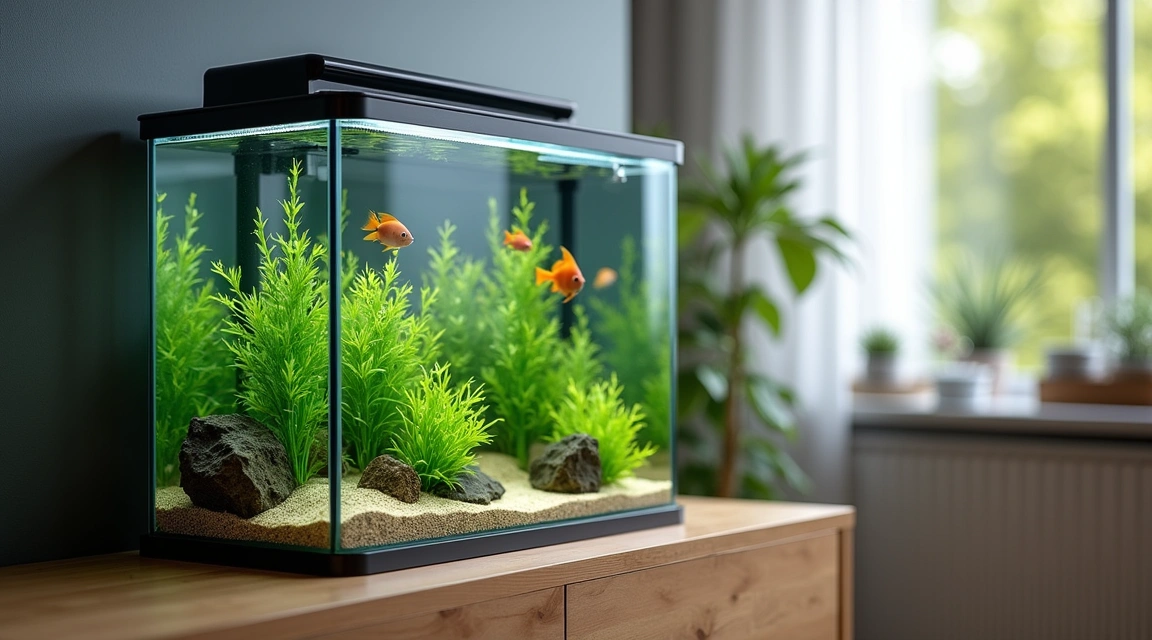
Feeding your community aquarium sounds simple—drop food in the tank and watch the fish eat. Yet overfeeding, underfeeding, and choosing the wrong diet cause more problems than almost any other aspect of aquarium care. Fish health, water quality, and tank balance all depend on correct feeding habits. This checklist walks you through the most common feeding mistakes beginners make, explains why each error matters, and shows you step-by-step how to feed your community aquarium properly.
Community tanks house multiple species with different dietary needs. Tetras, corydoras, gouramis, and livebearers all share the same water but need different foods, feeding schedules, and portion sizes. When you understand these differences and follow a structured feeding plan, your fish thrive, your water stays clear, and you avoid expensive equipment failures and fish loss.
Understanding the Basics of Community Tank Feeding
Community aquariums require a balanced approach because each species occupies a different water layer and eats in its own way. Surface feeders like guppies grab floating flakes immediately. Mid-water swimmers such as tetras chase sinking particles. Bottom dwellers like corydoras need food that reaches the substrate. If you only use floating flakes, bottom fish starve while surface fish overeat.
Most community fish are omnivores, meaning they eat both plant matter and protein. A complete diet includes flakes or pellets as a staple, supplemented with frozen or live foods twice weekly, and occasional vegetable matter for herbivorous species. Feeding variety prevents nutritional deficiencies and keeps fish active and colorful.
Caution: Never assume one food type meets all needs. A single flake brand cannot provide complete nutrition for every species in a mixed tank.
Water temperature affects digestion speed. Tropical fish kept at 76-80°F digest food faster than coldwater species. Feed tropical community tanks once or twice daily, offering only what fish consume within two to three minutes. Uneaten food decays, releasing ammonia and nitrite that poison fish and overwhelm your biological filter.
Before diving into specific mistakes, recognize that Aquarium Equipment Reviews can guide you toward quality foods and feeding tools. The right equipment—automatic feeders, feeding rings, and portion-control containers—makes correct feeding easier and more consistent.
Six Critical Feeding Mistakes and How to Avoid Them
Step 1: Stop Overfeeding
Overfeeding is the single most common error. Beginners worry their fish look hungry and add extra food “just in case.” Fish have small stomachs and slow metabolisms. A few flakes or pellets per fish per feeding is enough. Excess food clouds water, spikes ammonia, encourages algae blooms, and stresses fish with poor water quality.
To measure portions correctly, start with a pinch smaller than you think necessary. Watch fish eat for two minutes. If food remains floating or sitting on the bottom after three minutes, you fed too much. Scoop out leftovers with a fine net immediately. Over the next week, gradually adjust portion size until fish finish everything within two minutes and none remains.
Caution: Even high-quality filtration cannot compensate for chronic overfeeding. Biological media colonized by beneficial bacteria can only process a certain ammonia load per day.
Step 2: Avoid Feeding Only Once Daily
Many hobbyists feed once each morning before work. While convenient, this pattern forces fish to eat large amounts at once, then fast for twenty-three hours. Wild fish graze continuously on small organisms throughout the day. Splitting daily rations into two smaller feedings—morning and evening—matches natural behavior, reduces waste, and improves digestion.
If your schedule prevents two feedings, one daily meal is acceptable for adult fish, but reduce the portion size further. Never compensate for missed feedings by doubling portions the next day. Fish cannot store excess calories effectively, and uneaten food will decay.
Caution: Automatic feeders help maintain consistency but must be calibrated carefully. Test portion size while you are home before relying on a timer during vacation.
Step 3: Do Not Ignore Bottom Feeders
Corydoras catfish, plecos, and loaches need food that sinks rapidly and reaches the substrate. Standard flakes often dissolve or get eaten by surface fish before bottom dwellers find them. Sinking pellets, algae wafers, and blanched vegetables ensure bottom fish receive adequate nutrition.
Feed sinking foods after turning off the aquarium light or just before bed. Surface fish become less active in dim conditions, giving bottom feeders a better chance to eat undisturbed. Drop sinking pellets directly above the spot where your catfish rest during the day. Watch from a distance to confirm they find and consume the food.
Caution: Plecos and other large bottom feeders produce significant waste. Even though they eat algae and leftover food, they still need dedicated sinking pellets and cannot survive on scraps alone.
Step 4: Stop Using Expired or Poor-Quality Food
Fish food loses nutritional value after opening. Vitamins degrade when exposed to air and moisture. Flakes stored for more than three months after opening provide fewer nutrients, and fish may refuse stale food entirely. Always check expiration dates, store food in a cool, dry place, and seal containers tightly after each use.
Cheap, no-name brands often contain excessive fillers like wheat and corn that fish cannot digest. These fillers pass through the digestive system intact, increasing waste and clouding water. Invest in reputable brands formulated for tropical community fish. Quality food costs slightly more but reduces waste, improves fish health, and decreases water-quality problems.
Caution: Freeze-dried foods reconstitute slowly. Soak them in tank water for thirty seconds before feeding to prevent digestive blockage, especially in smaller fish like neon tetras.
Step 5: Do Not Feed the Same Food Every Day
Dietary variety prevents deficiencies and keeps fish interested in meals. Rotate between high-quality flakes, micro pellets, frozen brine shrimp, frozen bloodworms, and blanched vegetables like zucchini or spinach. Offer flakes or pellets five days per week, frozen protein two days per week, and vegetables once per week for omnivorous and herbivorous species.
Frozen foods provide essential amino acids and fatty acids that manufactured foods sometimes lack. Thaw a small cube in a cup of tank water, then pour slowly into the aquarium. Watch carefully during the first frozen feeding to gauge how much your fish consume. Adjust portions accordingly.
Caution: Never feed live tubifex worms or blackworms collected from unknown sources. They can carry parasites and bacteria. Use commercially raised or frozen alternatives instead.
Step 6: Avoid Feeding During Tank Stress Events
Fish lose appetite during water changes, medication treatments, new arrivals, or sudden temperature fluctuations. Feeding during stress adds ammonia to the system when fish are least able to handle it. Skip feeding on water change days, during the first twenty-four hours after introducing new fish, and any time you observe signs of illness or aggression.
After a major tank disturbance, wait one full day before resuming normal feeding. Start with half portions and observe whether fish eat eagerly. Gradual reintroduction prevents waste buildup and lets fish recover at their own pace.
Caution: If fish refuse food for three consecutive days outside of known stress events, test water parameters immediately. Ammonia, nitrite, or pH swings often cause appetite loss before visible illness appears.
Additional Common Mistakes That Harm Fish Health
Beyond the six primary errors, several other feeding habits damage community aquariums. Feeding at irregular times confuses fish and disrupts their internal clocks. Establish a consistent schedule—same times each day—so fish anticipate meals and digest efficiently. Irregular feeding also makes it harder to notice appetite changes that signal illness.
Using human food is another frequent mistake. Bread, crackers, and processed snacks contain salt, sugar, and preservatives toxic to fish. Even “natural” foods like raw meat or cooked grains lack proper nutrients and pollute water rapidly. Stick to foods designed specifically for aquarium fish.
Ignoring species-specific needs causes hidden malnutrition. Otocinclus catfish require algae wafers and vegetable matter, not standard flakes. Betta fish need high-protein pellets, while mollies thrive on spirulina-enriched foods. Research each species in your tank and provide appropriate dietary supplements beyond the general community flake.
Overusing treats like bloodworms leads to obesity and organ damage. Treats should represent no more than twenty percent of total diet. A single serving of frozen bloodworms per week is adequate for most community tanks. More frequent treats cause fatty liver disease, especially in sedentary fish like dwarf gouramis.
Feeding immediately after adding new fish stresses both new arrivals and established residents. New fish need time to explore and acclimate. Established fish may become aggressive near food if they perceive competition from strangers. Wait twenty-four hours after introducing new fish, then offer a small meal and observe interactions carefully.
Failing to remove uneaten food creates a vicious cycle. Decaying food feeds algae, depletes oxygen overnight, and produces toxic compounds. Every feeding should include a quick visual check three minutes later. If food remains, net it out or siphon it during your next water change. Clean substrate areas where food accumulates using a gravel vacuum.
Building a Sustainable Feeding Routine
Correct feeding becomes automatic once you establish a routine. Keep a small notebook or phone note tracking what you fed each day and any observations. Note which foods your fish prefer, how long it takes them to finish meals, and any changes in appetite or behavior. This record helps you spot problems early and adjust portions as fish grow.
Invest in a seven-day pill organizer to pre-portion weekly feedings. Fill each compartment with the right amount of flakes or pellets for one meal. This prevents overfeeding when you are rushed and ensures consistency even if someone else must feed your fish. Label frozen food cubes with the date you opened the package and rotate stock to use oldest first.
Test water parameters weekly during the first three months of feeding adjustments. Track ammonia, nitrite, nitrate, and pH. If readings spike, reduce portions immediately and increase water change frequency temporarily. Stable water parameters confirm your feeding routine matches your tank’s biological capacity.
Schedule a fasting day once per week. Wild fish do not eat every single day, and a brief fast allows digestive systems to rest and clear. Choose a consistent day—many aquarists skip feeding on water change days—and stick to it. Fasting reduces waste buildup, gives filters a break, and does not harm healthy adult fish.
As your community matures, appetites and needs change. Young fish require more frequent feedings and higher protein. Mature fish eat less and need more plant matter. Elderly fish may need softer foods or smaller particles. Revisit this checklist every six months and adjust portions, frequency, and food types as your tank evolves.
Feeding mistakes account for the majority of preventable fish deaths and water-quality crises in home aquariums. By following these steps, measuring portions carefully, varying diet, and paying attention to each species’ unique needs, you create a thriving community tank where fish display vibrant colors, active behavior, and long lifespans. Correct feeding is not complicated, but it requires patience, observation, and a willingness to adjust based on what your tank tells you. Start today by measuring your next feeding, watching your fish closely, and removing any leftovers. Those simple actions will transform your aquarium’s health within weeks.