

I’ve spent years setting up aquariums in my home, and one of the hardest lessons I learned early on was that expensive doesn’t always mean better. When I started out, I thought the priciest filter, the most advanced lighting system, and the top-tier heater were all necessities. I quickly discovered that wasn’t the case. Many budget-friendly options perform just as well as their premium counterparts, and some expensive gear simply doesn’t deliver the value it promises.
This guide is here to help you navigate the world of aquarium equipment reviews without falling into the trap of overpaying. Whether you’re setting up your first tank or upgrading your existing setup, understanding how to evaluate reviews and make smart purchasing decisions will save you money and frustration. Let me share what I’ve learned through trial, error, and plenty of research.
What Works Well: The Advantages of Smart Equipment Shopping

Reading reviews strategically can transform your aquarium shopping experience. The biggest advantage is that you gain access to real-world testing data without having to buy every product yourself. I’ve found that thorough reviews often reveal performance issues that manufacturers conveniently omit from their product descriptions.
One of the best aspects of modern aquarium equipment reviews is the community aspect. Hobbyists share long-term durability information that you simply can’t get from a product listing. When I was choosing my canister filter, reviews from users who had run the same model for two or three years told me far more than the manufacturer’s claims ever could. They warned me about gasket failures, motor noise that develops over time, and which replacement parts were worth stocking.
Another major benefit is price comparison transparency. Review sites and forums often include links to multiple retailers, making it easy to spot when one vendor is charging significantly more than others for identical equipment. I once saved nearly $80 on an LED lighting system simply because a reviewer mentioned it was on sale at a different retailer than the one I’d been browsing.
Reviews also help you identify which features actually matter for your specific setup. Marketing materials make every feature sound essential, but experienced aquarists will tell you which ones make a real difference and which are just gimmicks. For instance, I learned that adjustable flow rates on powerheads matter far more than fancy wireless controls for most home aquariums.
The comparison format that many review sites use is particularly valuable. Seeing three or four similar products side-by-side with honest assessments of their strengths and weaknesses helps you match equipment to your actual needs rather than aspirational ones. This is especially helpful for categories like protein skimmers or UV sterilizers, where price ranges are enormous and feature sets can be confusing.
The Drawbacks: Where Review-Based Shopping Falls Short

Despite all the benefits, relying solely on reviews has significant downsides. The biggest problem I’ve encountered is affiliate bias. Many equipment review sites earn commissions when you purchase through their links, which can subtly (or not so subtly) influence their recommendations. I’ve noticed that some reviewers consistently favor products from brands with generous affiliate programs, even when community feedback suggests better alternatives exist.
Another challenge is the sheer volume of fake or incentivized reviews on major retail platforms. I once nearly purchased a budget aquarium heater with hundreds of five-star reviews, only to dig deeper and discover that most positive reviews came from accounts that had reviewed only that single product. When I checked Aquarium Equipment Reviews from established hobbyist communities, the picture was far less rosy, with reports of inconsistent temperature control and early failures.
Review timing is another significant limitation. The aquarium equipment market evolves quickly, and a glowing review from three years ago might not reflect current manufacturing quality. I learned this the hard way with an aquarium controller that had excellent reviews when it launched but suffered from firmware problems after the company was acquired and support deteriorated.
There’s also the problem of mismatched expectations. A review written by someone maintaining a 20-gallon planted tank won’t necessarily apply to your 75-gallon cichlid setup. Equipment that works beautifully in one context can be wholly inadequate in another, but many reviews don’t provide enough detail about the reviewer’s specific situation to judge applicability.
Finally, some categories of equipment are difficult to evaluate through reviews alone. Water quality test kits, for example, require accuracy that’s hard for individual users to verify without laboratory-grade reference equipment. I’ve seen wildly different opinions on the same test kit, likely because users were comparing against other consumer-grade kits rather than true standards.
Who Benefits Most from Review-Based Equipment Selection
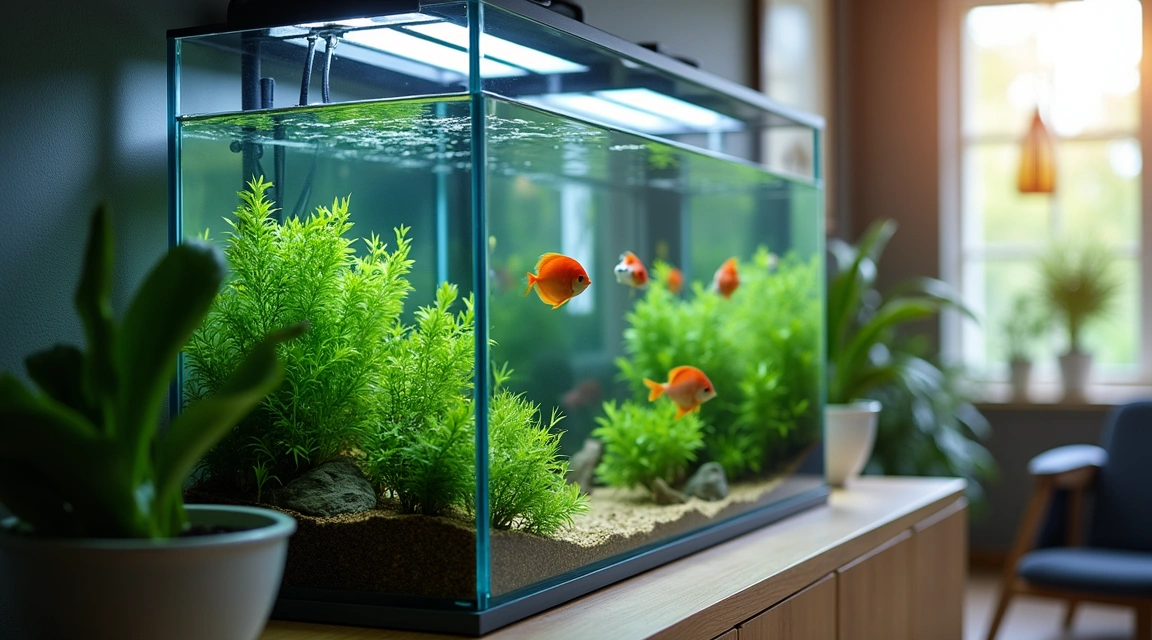
This approach works particularly well for hobbyists who are setting up their second or third aquarium. You already have enough experience to contextualize what reviewers are saying and recognize when a complaint is legitimate versus when someone simply didn’t understand how to use the product properly.
Budget-conscious aquarists gain enormous value from thorough review research. If you’re willing to invest time reading and comparing, you can often find equipment that delivers 80-90% of the performance of premium options at 40-50% of the cost. I built an entire 55-gallon planted tank setup using mid-range equipment identified through careful review analysis, and it’s been running flawlessly for over two years.
This strategy is also ideal for people who enjoy researching purchases. If you’re the type who reads three dozen reviews before buying a toaster, you’ll find aquarium equipment research similarly satisfying and useful. The aquarium hobby has an engaged community that produces detailed, thoughtful reviews across forums, YouTube, and dedicated sites.
Conversely, this approach may not suit absolute beginners who lack the framework to evaluate conflicting information. If you don’t yet understand the basic principles of filtration, lighting requirements, or water chemistry, jumping straight into detailed equipment reviews can be overwhelming and confusing.
It’s also less appropriate for highly specialized equipment where individual tank requirements vary dramatically. Custom sump designs, commercial-grade ozone systems, or advanced reef controllers often require consultation with experienced hobbyists or professionals who can assess your specific situation rather than relying on general reviews.
Frequently Asked Questions
How can I tell if an equipment review is genuine or biased?
Look for specific details about actual usage rather than generic praise. Genuine reviews typically mention both strengths and weaknesses, discuss specific features or performance characteristics, and often include information about the reviewer’s tank setup. Check if the reviewer has a history of reviewing multiple products over time rather than just one or two items. Cross-reference reviews across multiple platforms—if a product has excellent reviews on a manufacturer’s site but mediocre ratings on independent forums, that’s a red flag. Be especially skeptical of reviews that use similar phrasing or focus heavily on marketing language rather than practical experience.
Should I always buy the highest-rated equipment in reviews?
Not necessarily. The highest-rated equipment is often the best performer, but it may include features you don’t need or be optimized for tank sizes or types different from yours. I’ve found that reading the three-star and four-star reviews is often more informative than focusing only on five-star ratings. These middle-ground reviews typically come from users who appreciate the product’s strengths but are honest about its limitations. Consider your specific requirements, tank size, livestock, and budget before defaulting to the top-rated option. Sometimes a slightly lower-rated product is actually better suited to your particular situation.
How much should I expect to spend on essential aquarium equipment?
For a basic freshwater setup, you can expect to spend roughly $10-15 per gallon on essential equipment including filtration, heating, lighting, and basic accessories if you shop carefully using review guidance. A 20-gallon tank might require $200-300 in equipment, while a 55-gallon setup could run $550-800. Saltwater and reef setups typically cost significantly more, often $20-40 per gallon or higher depending on the complexity of your coral selection. These estimates assume mid-range equipment selected through careful review research. You can spend less by choosing budget options or significantly more by opting for premium brands. The key is using reviews to identify where spending extra delivers real value versus where budget options perform adequately. Remember that ongoing costs for electricity, water conditioners, test kits, and livestock often exceed initial equipment investment over time.