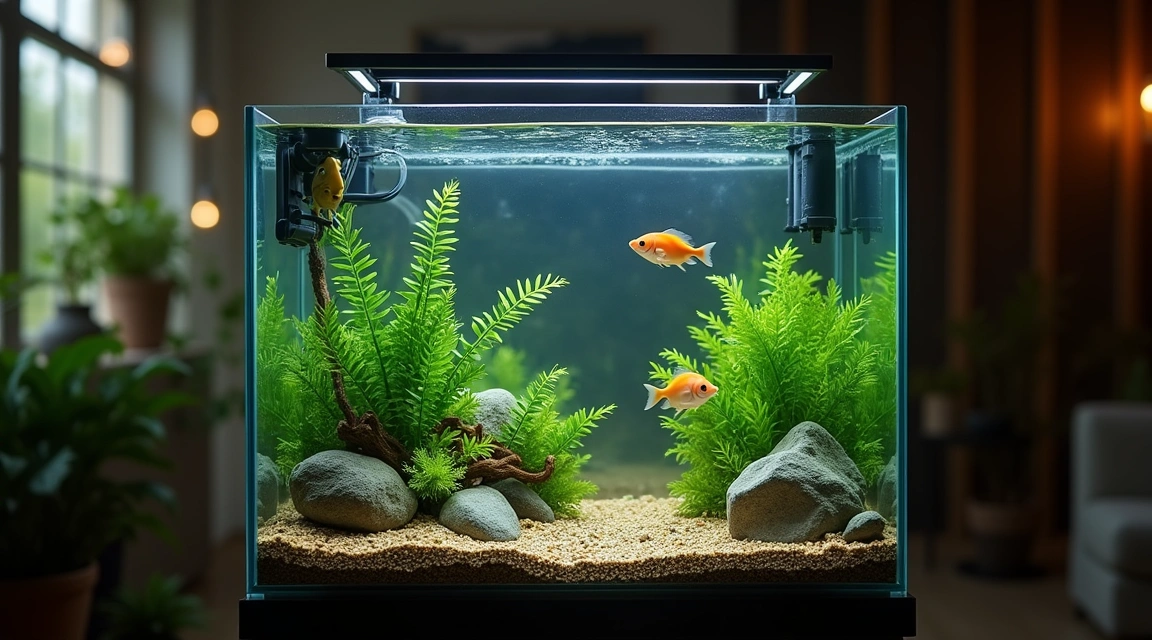
Small aquariums bring the joy of fishkeeping into compact living spaces, dorm rooms, and offices where a larger setup simply isn’t practical. While space-saving, these miniature ecosystems require careful fish selection to ensure your aquatic pets thrive. Choosing the wrong species for a limited water volume can lead to stress, aggression, and health problems that no amount of filtration can solve.
This guide examines the best freshwater fish species suited for tanks between 5 and 20 gallons, focusing on temperament, bioload, and care requirements. Whether you’re setting up your first nano tank or downsizing from a larger system, understanding which fish adapt well to smaller volumes will determine your long-term success.
Essential Criteria for Small Tank Fish
Not all small fish make good candidates for small tanks. Adult size matters, but so do activity level, territorial behavior, and waste production. A fish that stays under three inches might still require substantial swimming space if it’s highly active, while a more sedentary species might be perfectly content in a modest footprint.
Bioload is equally critical. Fish that produce excessive waste will overwhelm filtration systems faster in small volumes, leading to dangerous ammonia and nitrite spikes. Hardy species that tolerate minor water parameter fluctuations fare better in compact environments where changes happen more rapidly than in larger systems.
Social needs also influence suitability. Schooling fish often require groups of six or more, which quickly consumes stocking capacity in a 10-gallon tank. Solitary or pair-bonding species offer more flexibility when space is limited. Temperature stability is another factor—smaller water volumes experience faster temperature swings, so species with broader temperature tolerance ranges adapt more successfully.
Top Species Comparison
| Species | Minimum Tank Size | Temperament | Difficulty Level | Best For |
|---|---|---|---|---|
| Betta Fish | 5 gallons | Solitary, territorial | Beginner | Solo centerpiece fish with personality |
| Neon Tetra | 10 gallons (school of 6+) | Peaceful, schooling | Beginner-Intermediate | Community tanks with stable parameters |
| Celestial Pearl Danio | 10 gallons | Peaceful, shoaling | Intermediate | Planted tanks, experienced keepers |
| Endler’s Livebearer | 10 gallons | Peaceful, active | Beginner | Colorful community setups, breeding projects |
| Pygmy Corydoras | 10 gallons | Peaceful, schooling | Beginner-Intermediate | Bottom feeders in established tanks |
| Sparkling Gourami | 5 gallons | Peaceful, vocal | Intermediate | Nano tanks with gentle tankmates |
This comparison highlights how different species suit different setups. Betta fish excel as solo specimens, while neon tetras require both group living and more gallons. Celestial pearl danios demand stable water chemistry that beginners may struggle to maintain in small volumes, whereas endler’s livebearers forgive minor fluctuations.
Recommendations by Aquarist Type
For absolute beginners: Betta fish remain the most forgiving option for a 5-gallon setup. Males display vibrant colors and distinct personalities without requiring tankmates or complex social dynamics. They tolerate a range of temperatures (76-82°F) and don’t demand pristine water quality, though regular maintenance is still essential. Avoid the common bowl myth—bettas need heated, filtered tanks despite their hardy reputation.
Endler’s livebearers work well for beginners ready to manage a 10-gallon community. These micro-guppies adapt to various water conditions, breed readily (which can be educational or overwhelming depending on your goals), and coexist peacefully with other small, non-aggressive species. Keep ratios female-heavy unless you want frequent fry.
For intermediate hobbyists: Celestial pearl danios (galaxy rasboras) reward careful husbandry with stunning coloration and natural behaviors. They prefer heavily planted tanks with stable parameters—pH 6.5-7.5, temperature 73-79°F—and show their best colors when kept in groups of eight or more in a 15-gallon setup. Their small size (under one inch) allows reasonable stocking despite group requirements.
Sparkling gouramis bring unique character to nano tanks with their croaking vocalizations and iridescent scales. A pair thrives in a planted 5-gallon with gentle filtration, though males may quarrel in smaller spaces. They appreciate floating plants and subdued lighting, making them ideal for naturalistic aquascapes.
For community tank builders: Pygmy corydoras fill the bottom-dwelling niche in small community setups. Unlike their larger cousins, these tiny catfish (reaching barely one inch) school actively in midwater as well as foraging along substrate. A group of six fits comfortably in a 10-gallon alongside upper-level swimmers like neon tetras or ember tetras.
Chili rasboras (Boraras brigittae) add intense red coloration to planted tanks and remain under three-quarters of an inch. Their timid nature means they need dense planting and peaceful tankmates, but a school of ten creates mesmerizing movement in a 10-gallon setup without overwhelming bioload.
Critical Considerations and Common Mistakes
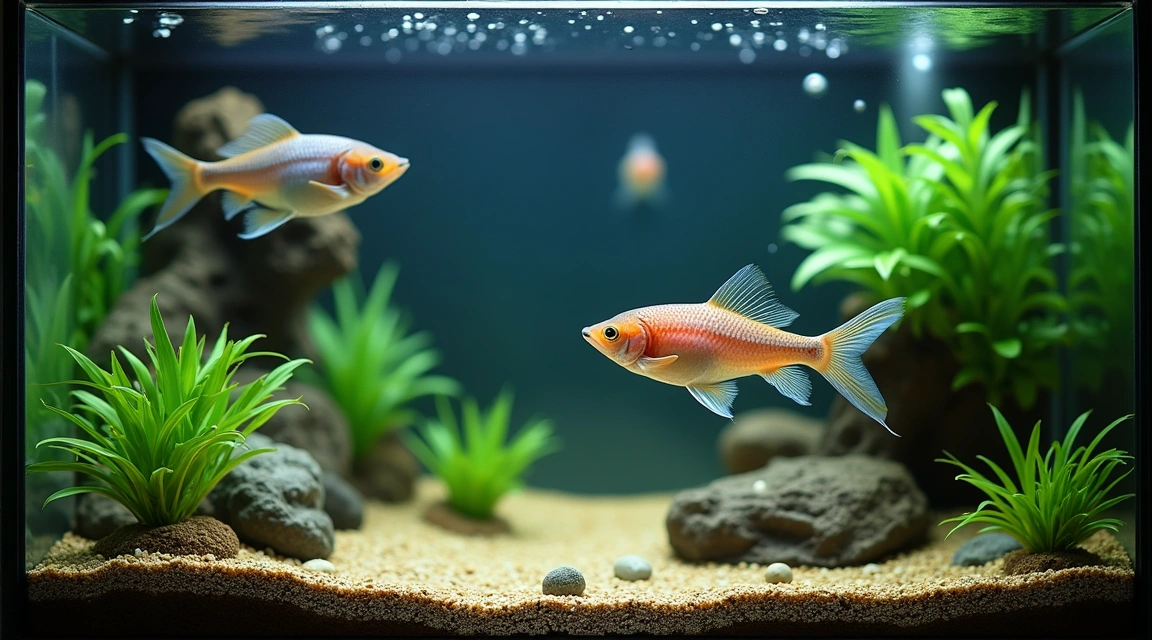
Many newcomers overstock small tanks by following the outdated “one inch per gallon” rule. This guideline ignores bioload differences—a one-inch goldfish produces far more waste than a one-inch tetra. For tanks under 20 gallons, conservative stocking with weekly water changes prevents the parameter swings that stress fish and promote disease.
Temperature stability challenges small volumes. A 5-gallon tank in a drafty room or near a window will fluctuate wildly without a reliable heater. Invest in an adjustable heater rated for your tank size and a separate thermometer to verify accuracy. Most tropical species need consistent temperatures between 74-78°F.
Cycling before adding fish is non-negotiable, but especially critical in small tanks where ammonia toxicity develops rapidly. Fishless cycling with pure ammonia or established filter media prevents the common beginner disaster of new tank syndrome. Test kits for ammonia, nitrite, and nitrate become essential tools rather than optional accessories.
Filtration selection matters more than brand names. Adjustable flow is crucial—many filters designed for 10-gallon tanks create excessive current that exhausts small fish like bettas or sparkling gouramis. Sponge filters offer gentle biological filtration perfect for nano setups, though they require an air pump and don’t provide the mechanical filtration of hang-on-back units.
Final Verdict
The best freshwater fish for small tanks depends entirely on your experience level, maintenance commitment, and aesthetic preferences. Beginners achieve highest success with single bettas in 5-gallon setups or small groups of endler’s livebearers in 10-gallon systems. Both species tolerate the learning curve inevitable with new aquarists.
Experienced keepers can explore more demanding options like celestial pearl danios or sparkling gouramis, which reward stable conditions with breeding behaviors and peak coloration. Community builders should focus on compatible species with similar temperature and pH requirements—mixing chili rasboras with pygmy corydoras and a centerpiece betta creates visual interest across all tank levels.
Regardless of species choice, success in small tanks demands diligent maintenance. Weekly 25-30% water changes, careful feeding to prevent waste accumulation, and consistent parameter monitoring prevent the problems that plague neglected nano setups. Small tanks aren’t easier than large ones—they simply fit different spaces and lifestyles. Choose fish that match both your environment and your willingness to provide proper care, and even a modest 10-gallon tank can host a thriving aquatic ecosystem for years.